History
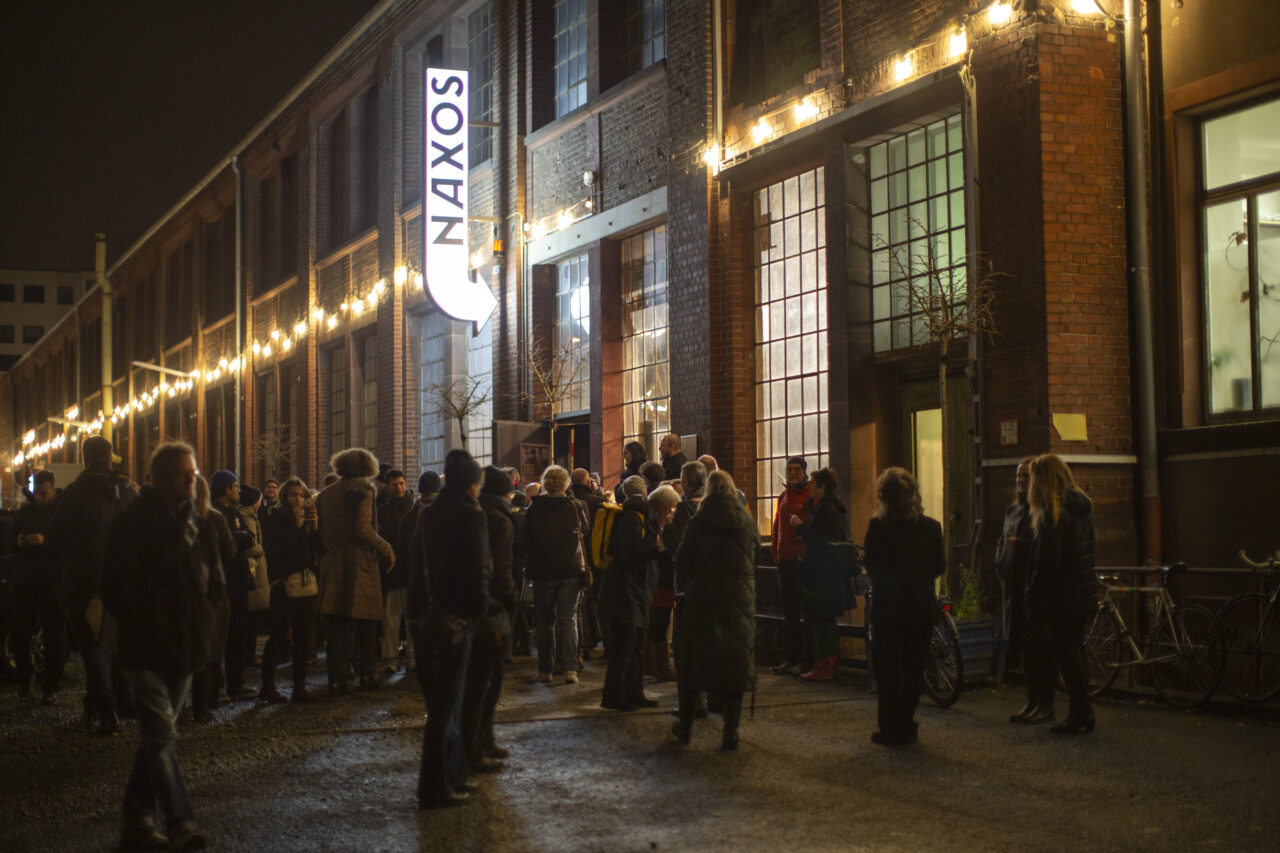
The Produktionshaus NAXOS
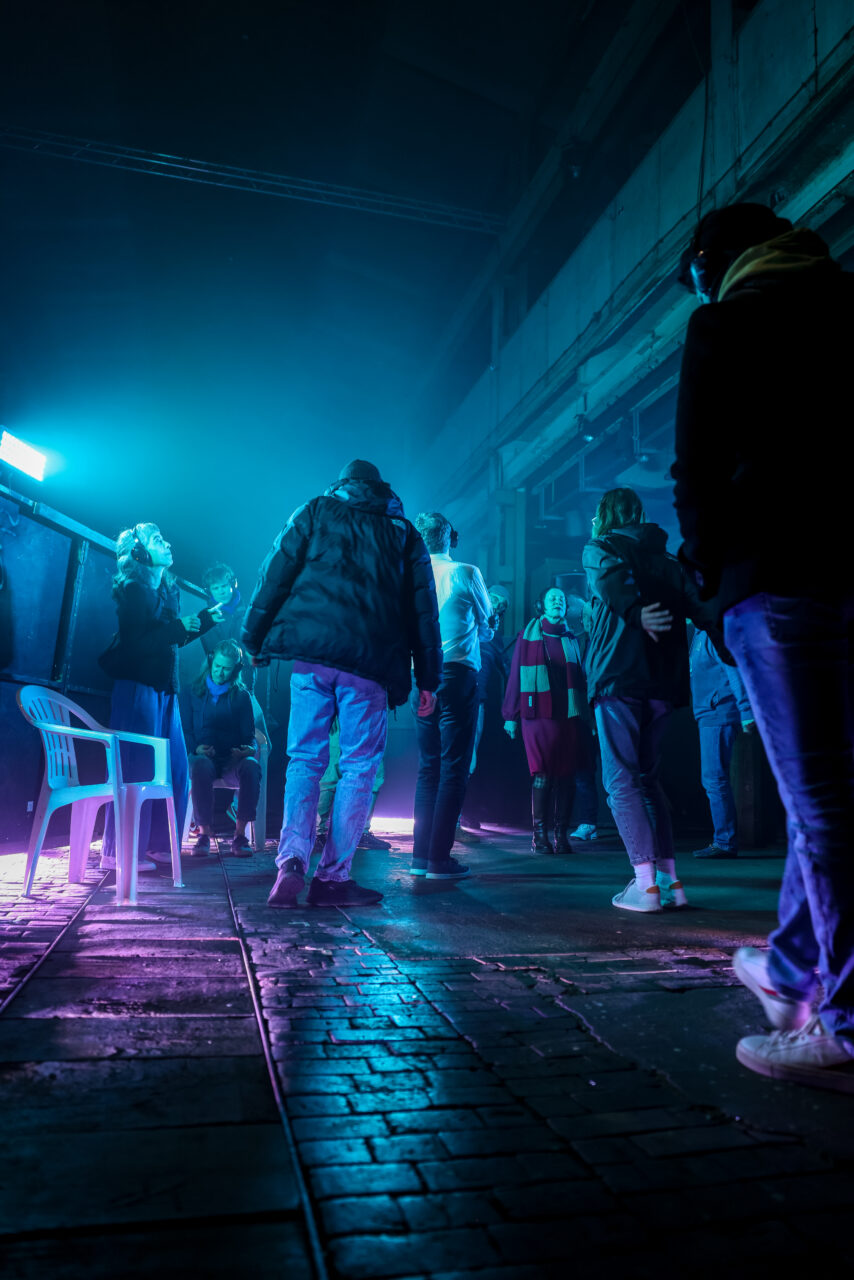
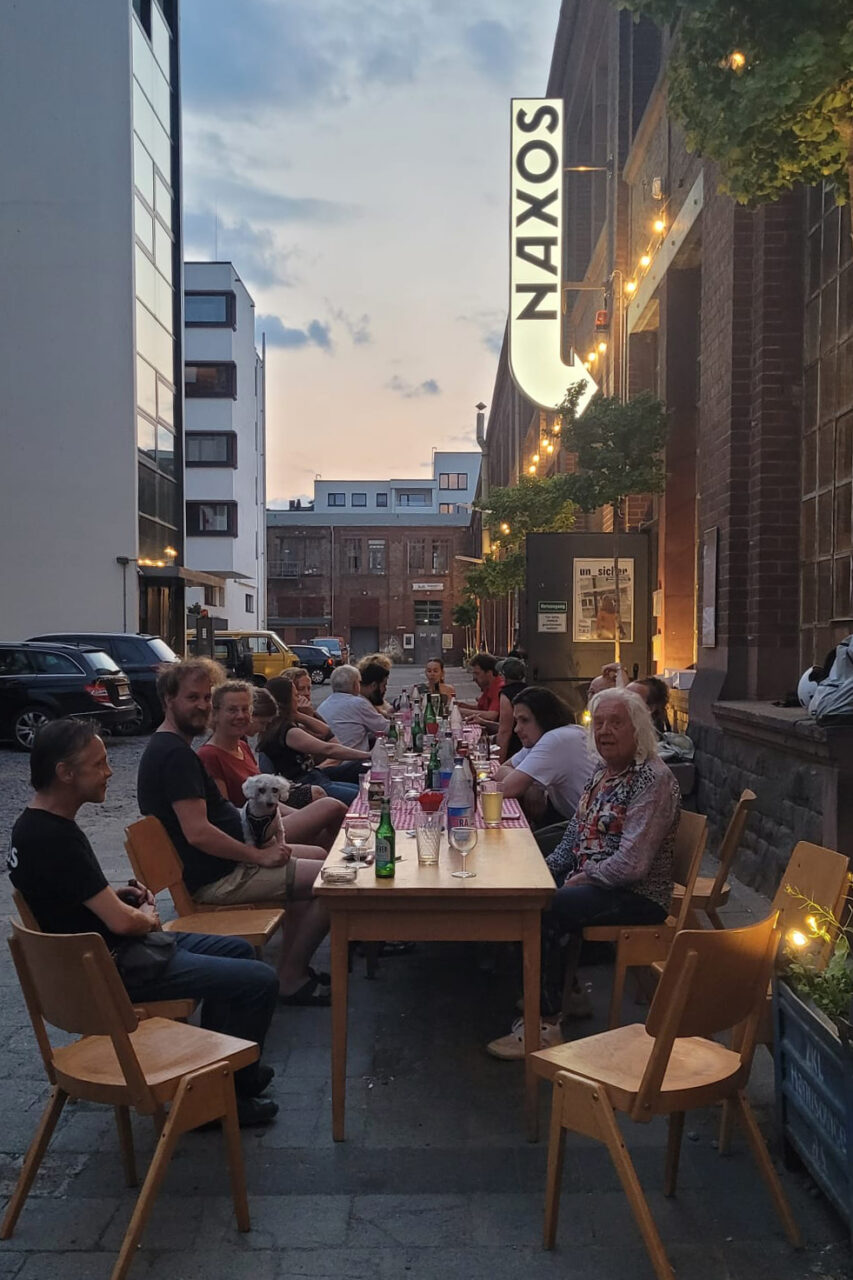
Produktionshaus NAXOS is more than just a place of artistic production—it is a space imbued with history, cultural upheaval and lived responsibility. The development of this place can be traced in three interwoven narratives: the early industrial and humanistic history of the Naxoshalle, the artistic appropriation by the Theater Willy Praml and the emergence of a new generation of artists with studioNAXOS. Each phase stands for itself—shaped by its own protagonists, challenges and visions—and yet together they form the foundation of what the Produktionshaus NAXOS is today: an independent theater aware of its history.
The Naxoshalle as a site of Jewish industrial history
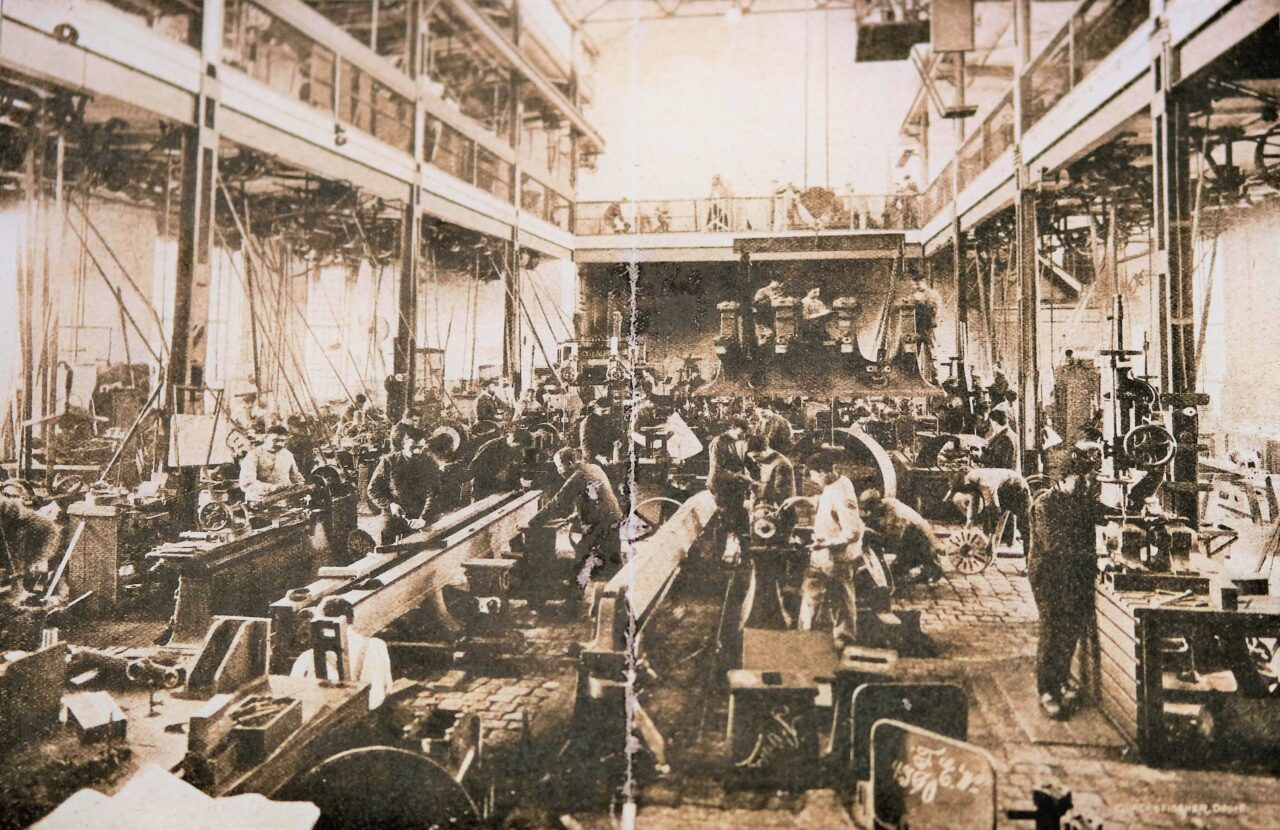
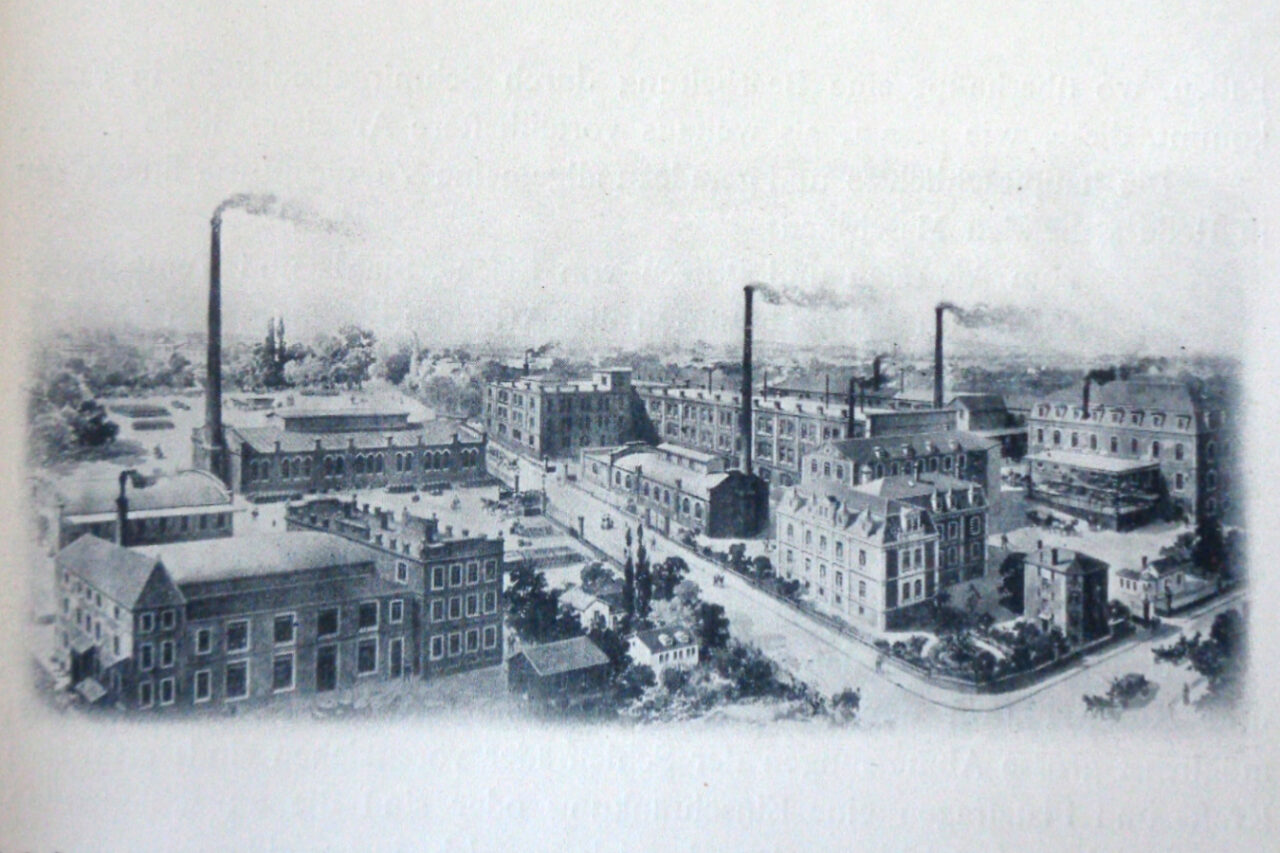
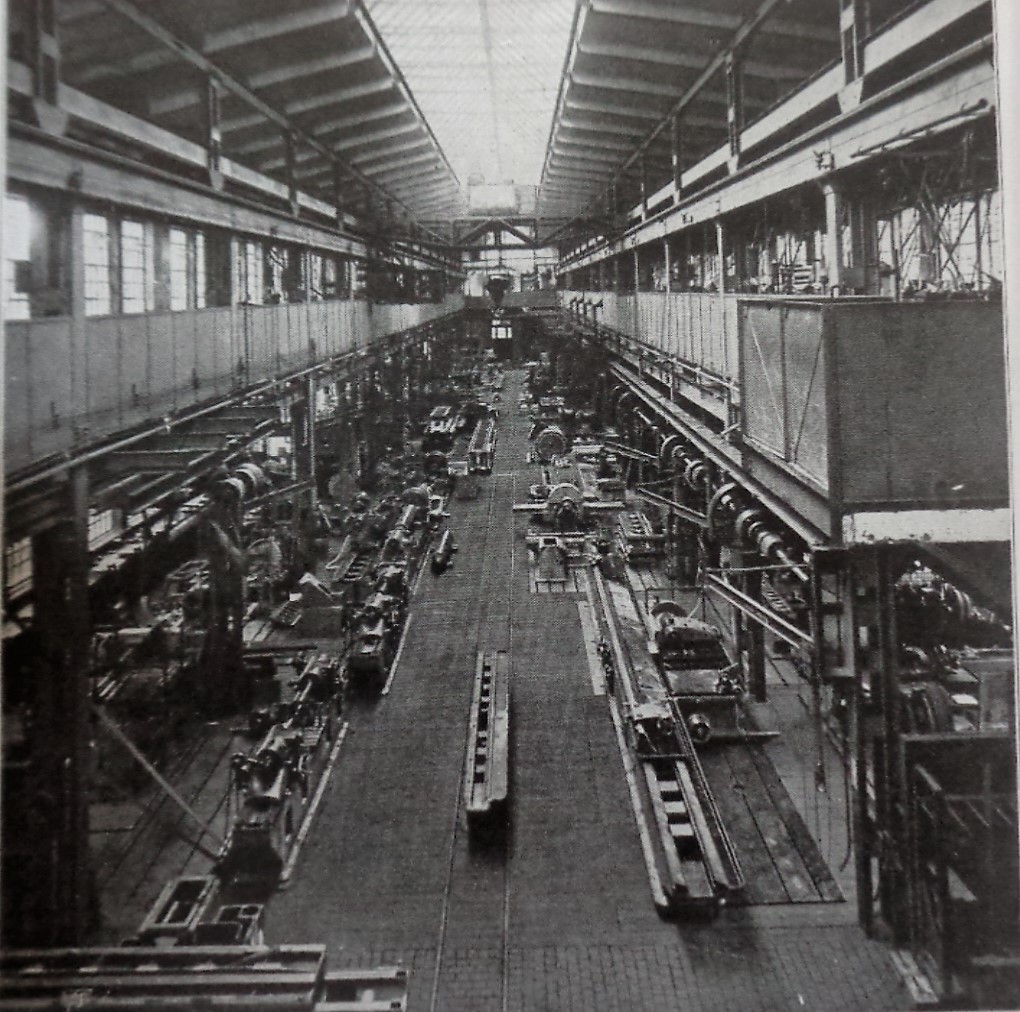
Today's Naxoshalle in Frankfurt am Main is not only a cultural and artistic meeting place, but also carries within it a multi-layered history: from the industrial heyday of abrasive production through the humanistic and Jewish-influenced entrepreneurship of the Pfungst family to the dark chapters of National Socialist persecution, forced labor and Aryanization. Today, Produktionshaus NAXOS consciously reflects this eventful past within its spaces—and brings it to life in artistic formats.
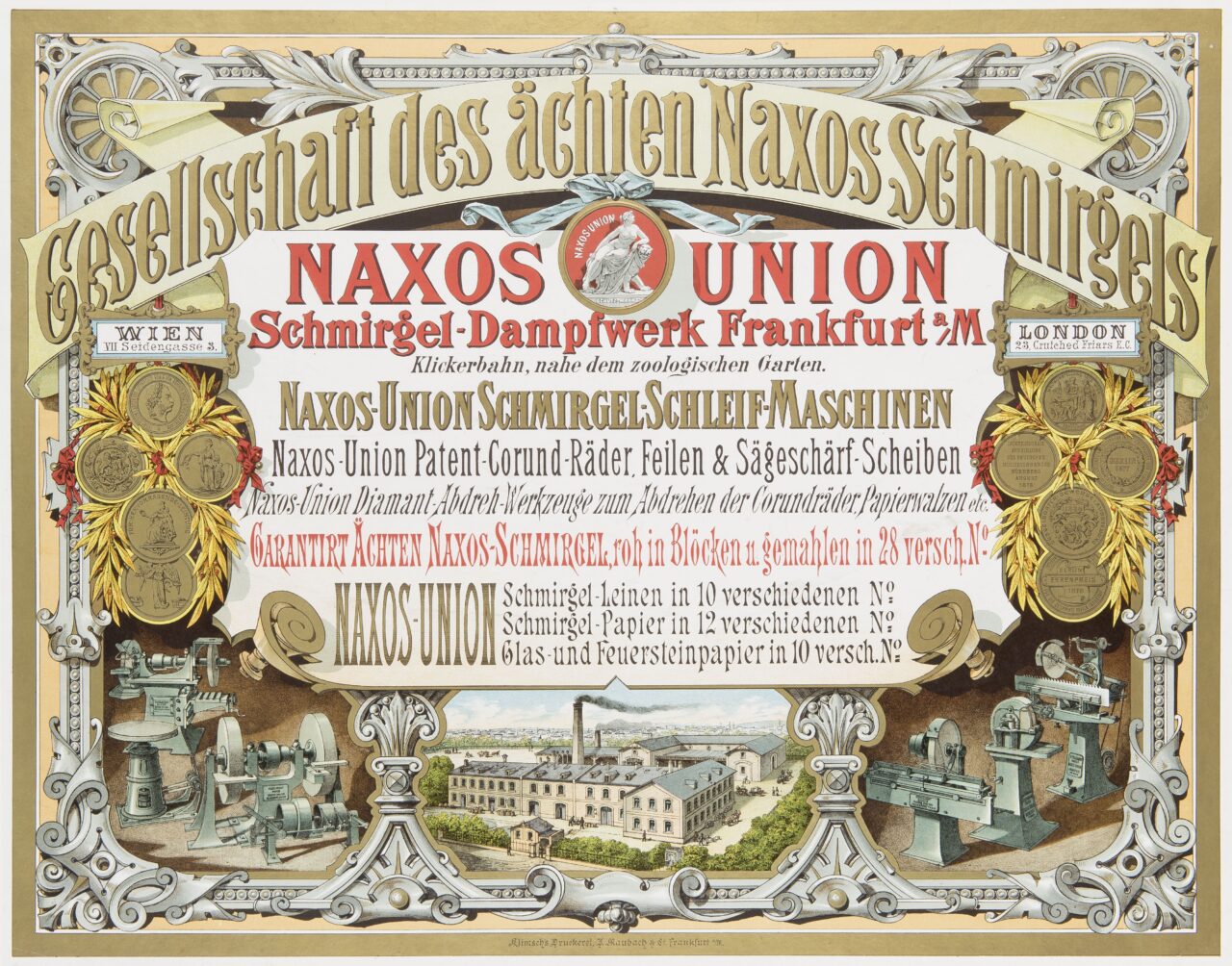
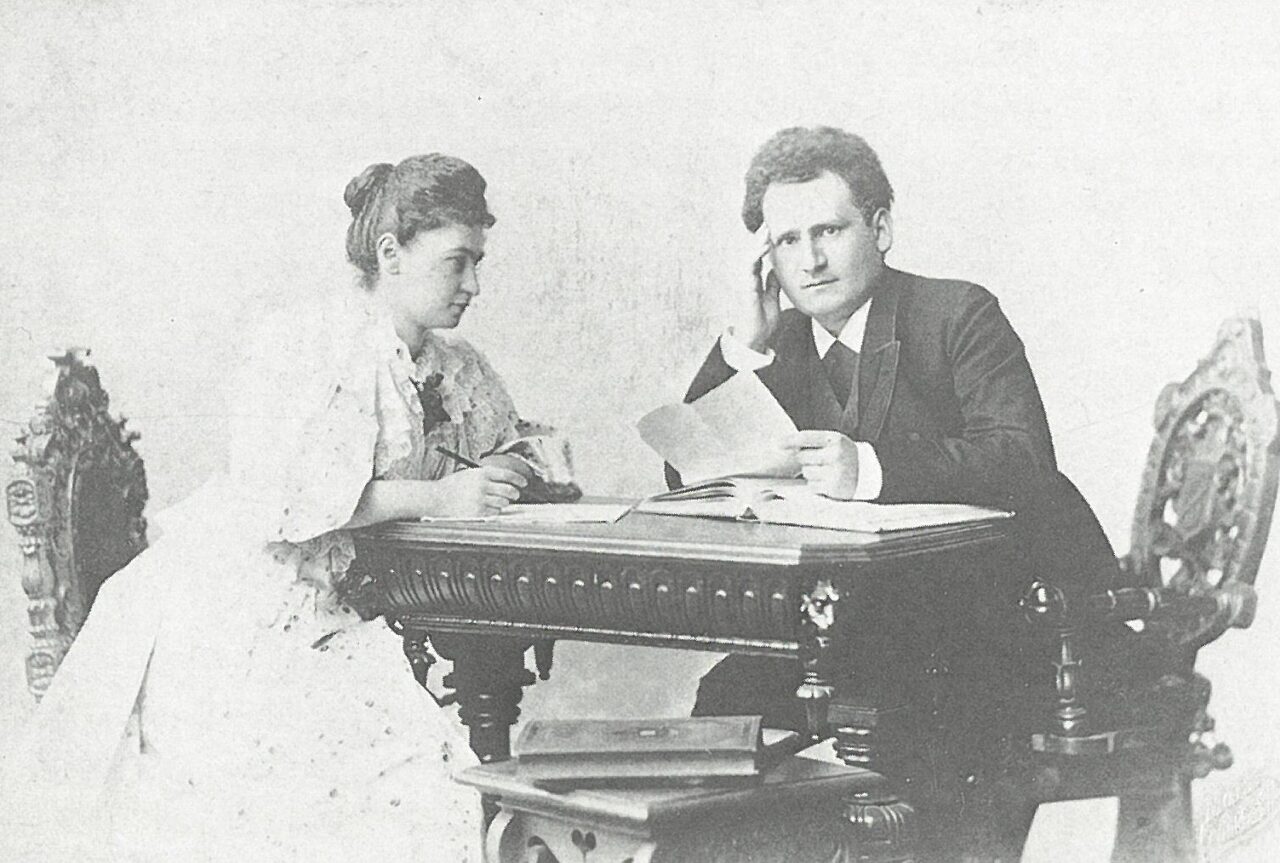
In 1871, Julius Pfungst founded the “Society of the Real Naxos Emery” after securing the exclusive right to sell the coveted abrasive material from the Greek island of Naxos. With his company, he established one of the largest German abrasive and grinding machine factories. As early as 1896, Julius Pfungst initiated a pension fund for employees—an extraordinary measure at the time, which reflected his social responsibility and humanistic stance.
After the death of Julius Pfungst in 1899, his son Arthur Pfungst and his daughter Marie Eleonore Pfungst jointly took over the management of the company. Arthur Pfungst developed far-reaching plans for the use of the company's profits for charitable and education policy purposes, but died unexpectedly in 1912. Marie Eleonore Pfungst then continued to run the company together with her mother Rosette Bertha Pfungst. In memory of Arthur, they established the Dr. Arthur Pfungst Foundation in 1918, to which the entire company assets were transferred. The aim was to invest profits specifically in educational and welfare projects. This led to the creation of company education programs, a free library and other social facilities that benefited the employees and their families.
Marie Eleonore Pfungst was intensively involved in the civic women's movement far beyond the company. In 1897, she founded the Frankfurt Legal Protection Office for Women, which supported women in legal matters such as divorce and labor disputes. She was also a determined advocate for girls’ access to higher education. In 1908, the first secondary school for girls in Frankfurt, the Schillerschule, was founded from the academic secondary school courses she initiated. Her social commitment made her a central figure in the feminist and social movement of her time.
The National Socialist takeover in 1933 marked the beginning of a period of systematic persecution and expropriation for the Jewish Pfungst family. The foundation and the company were gradually “Aryanized”. National Socialists took over important positions, changed the foundation's charter and forced Marie Pfungst to give up her position on the foundation's board of directors and in management. She was increasingly deprived of her influence and opportunities to continue running the foundation as her brother had intended. In 1942, she was ultimately deported to Theresienstadt, where she died on February 8, 1943 as a result of the catastrophic conditions in the camp.
During the Second World War, the company Naxos-Union played an important role in the German war economy. Production capacities were shifted to goods essential to the war effort, in particular crankshaft grinding machines for aircraft engines. The workforce grew, but this success was also based on the suffering of forced laborers from across Europe, who were forced to work under inhumane conditions. Václav Danihel, a Czechoslovakian forced laborer, whose memories of the Naxos-Union are part of the permanent exhibition in today's Naxoshalle, provides a harrowing testimony of this time.
After the Second World War and a phase of denazification, civilian production was gradually resumed. Naxos-Union remained an important company in the abrasive and grinding machine industry until 1990.
Today, we commemorate this complex and multi-layered history with a comprehensive and permanently accessible exhibition in the Naxoshalle—a history marked by economic success and innovative social approaches, but also by persecution, expulsion and inhumane forced labor. Visitors can view this exhibition at any time during our opening hours and delve deeper into the history with the help of authentic documents and original audio recordings, including the powerful accounts of Václav Danihel.
Based on the research findings of Luise Besier and Björn Fischer
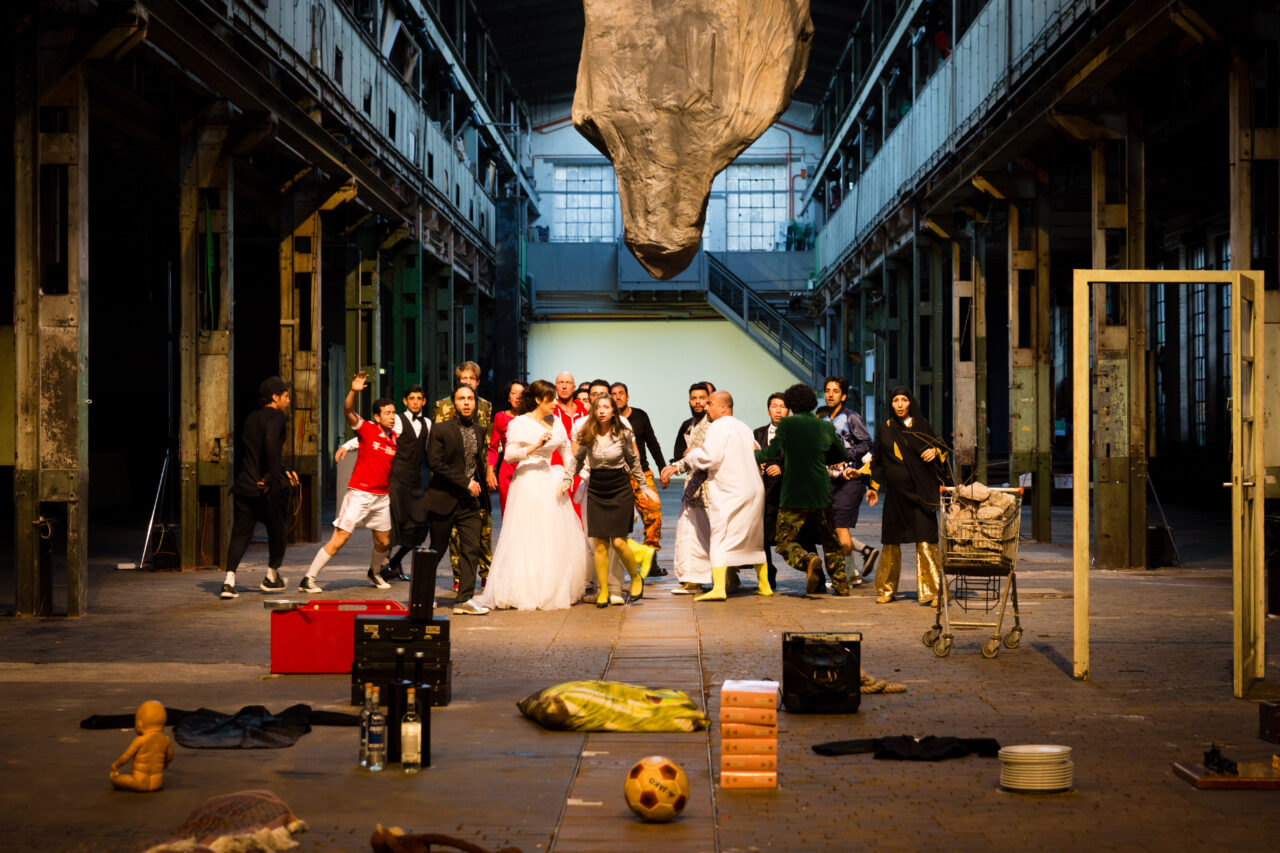
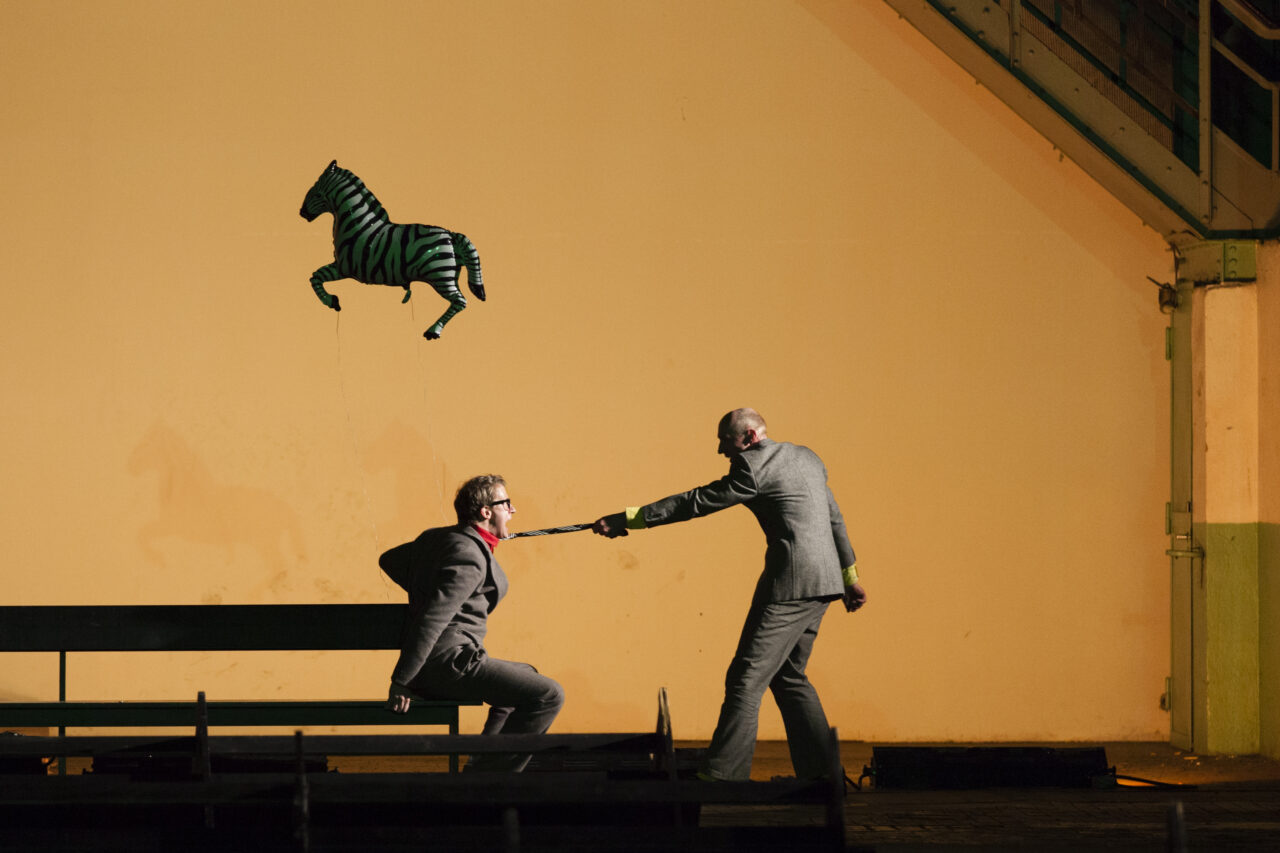
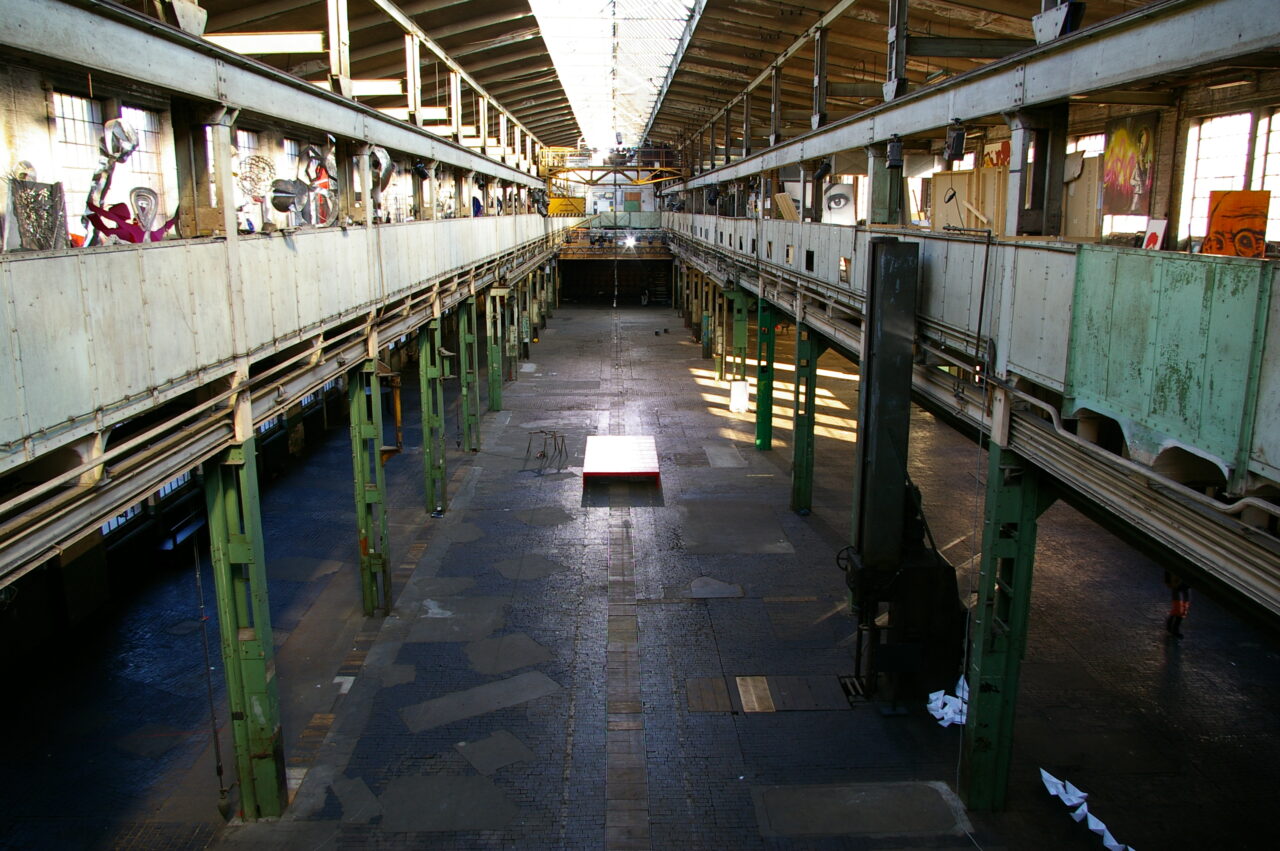
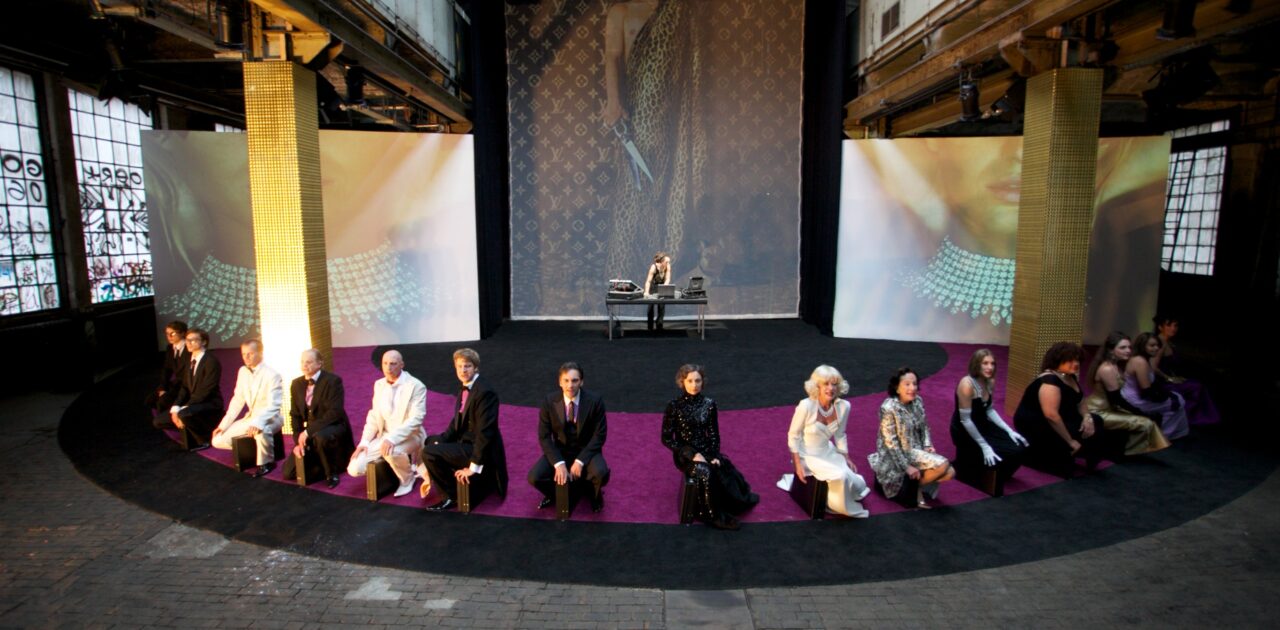
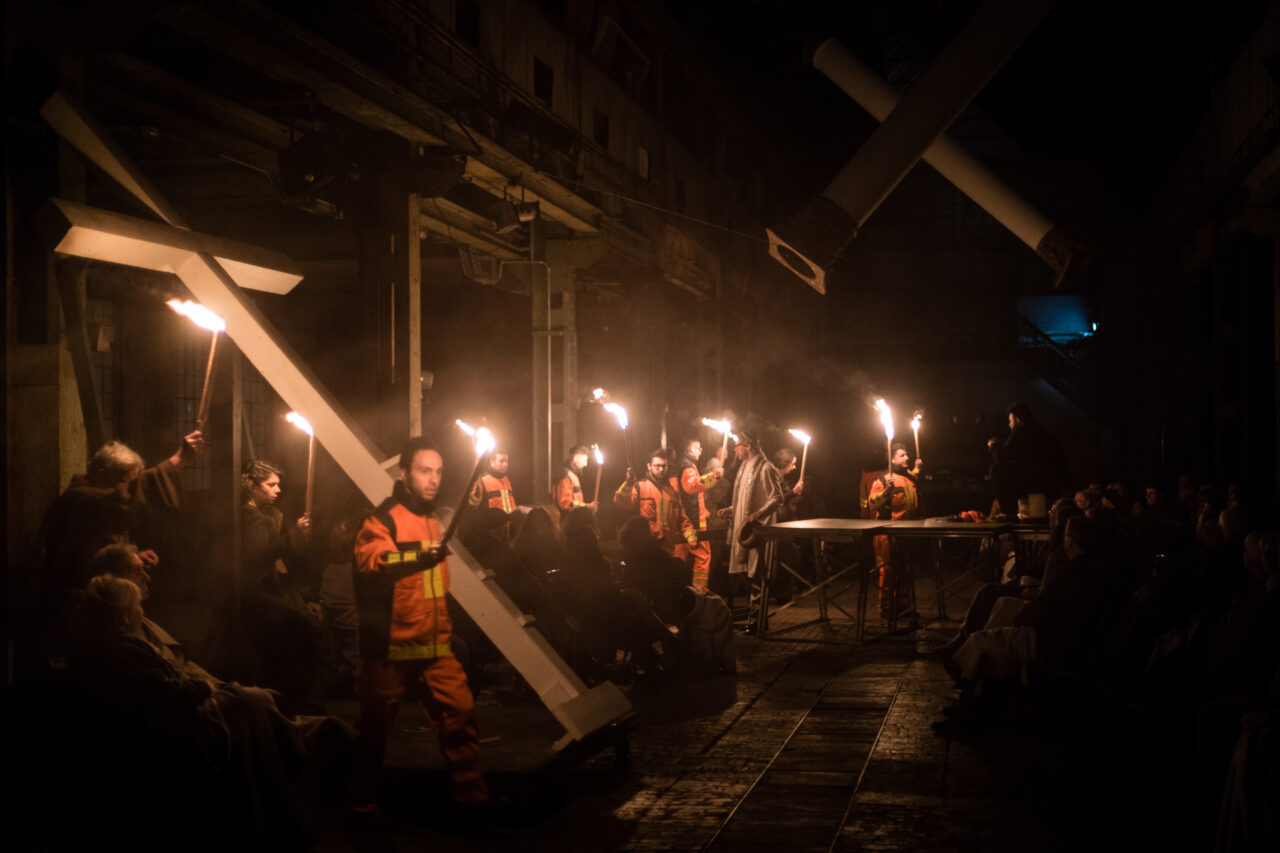
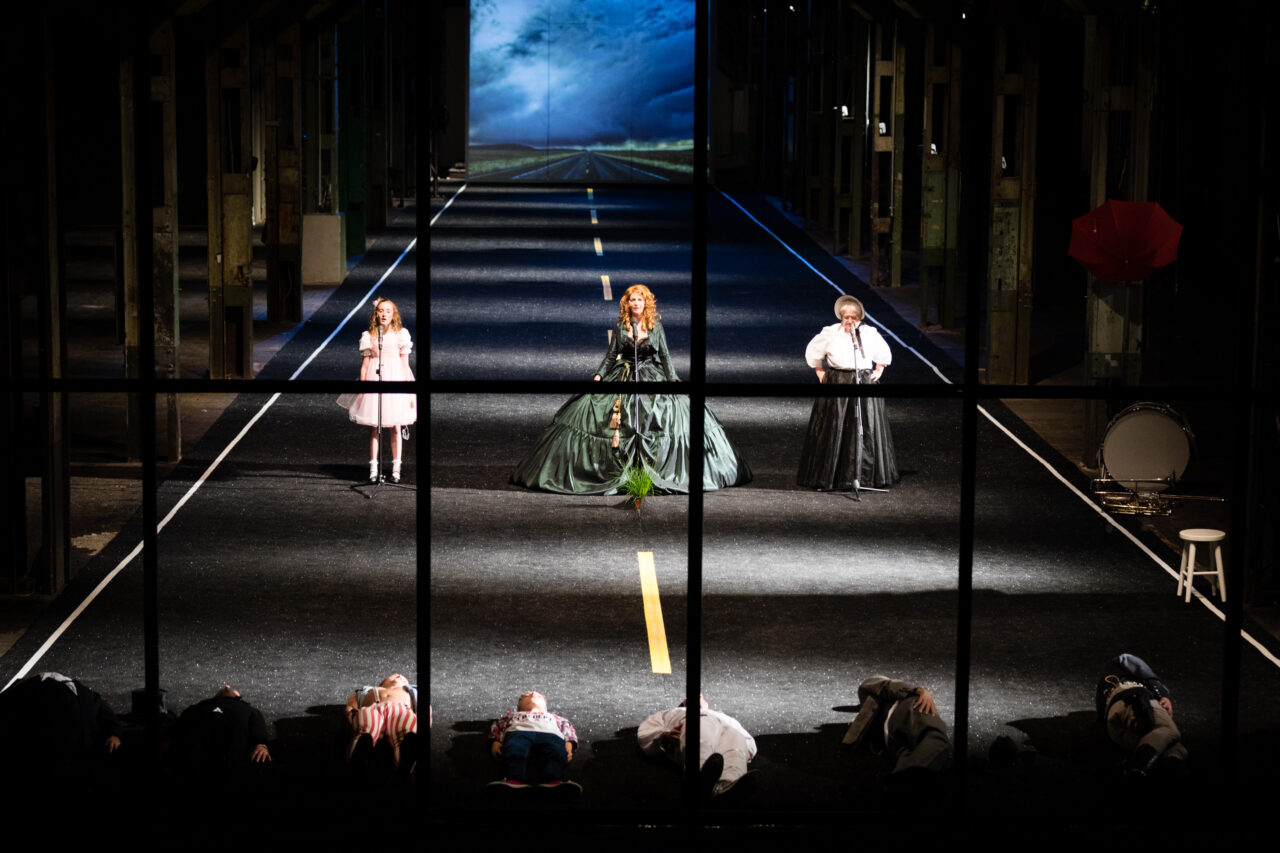
Theater as a public space for reflection: Willy Praml and the spirit of the Naxoshalle “We are free—we do what we want and how we want.”
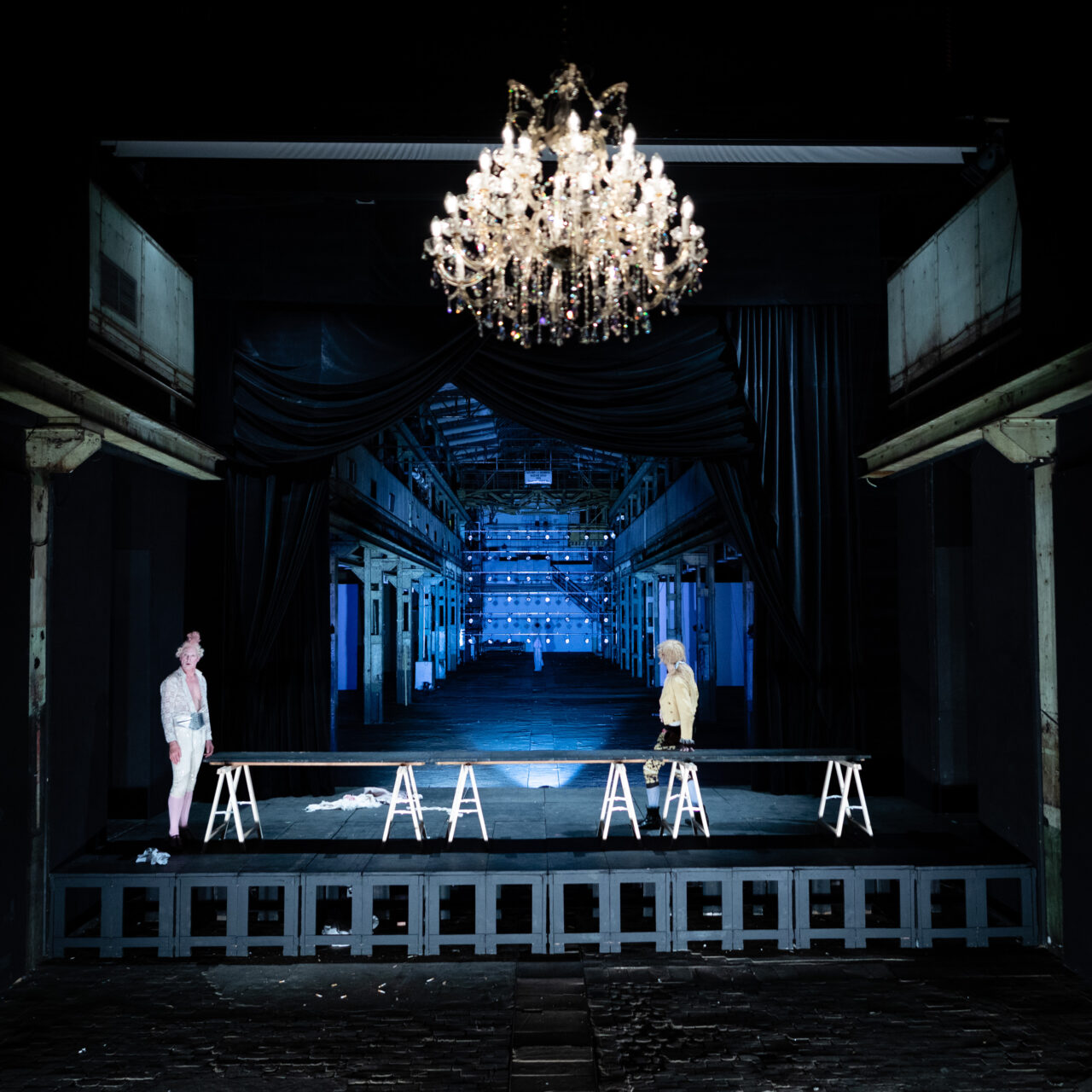
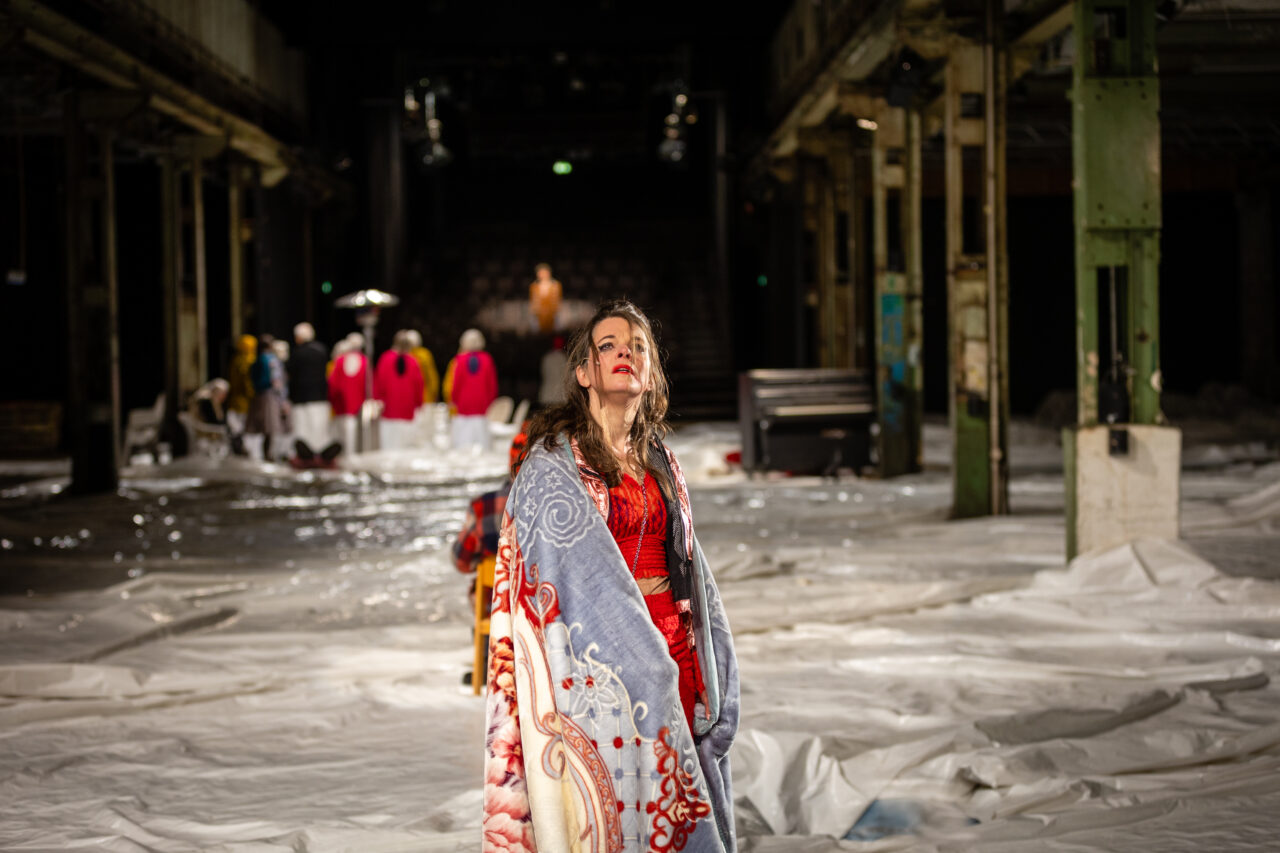
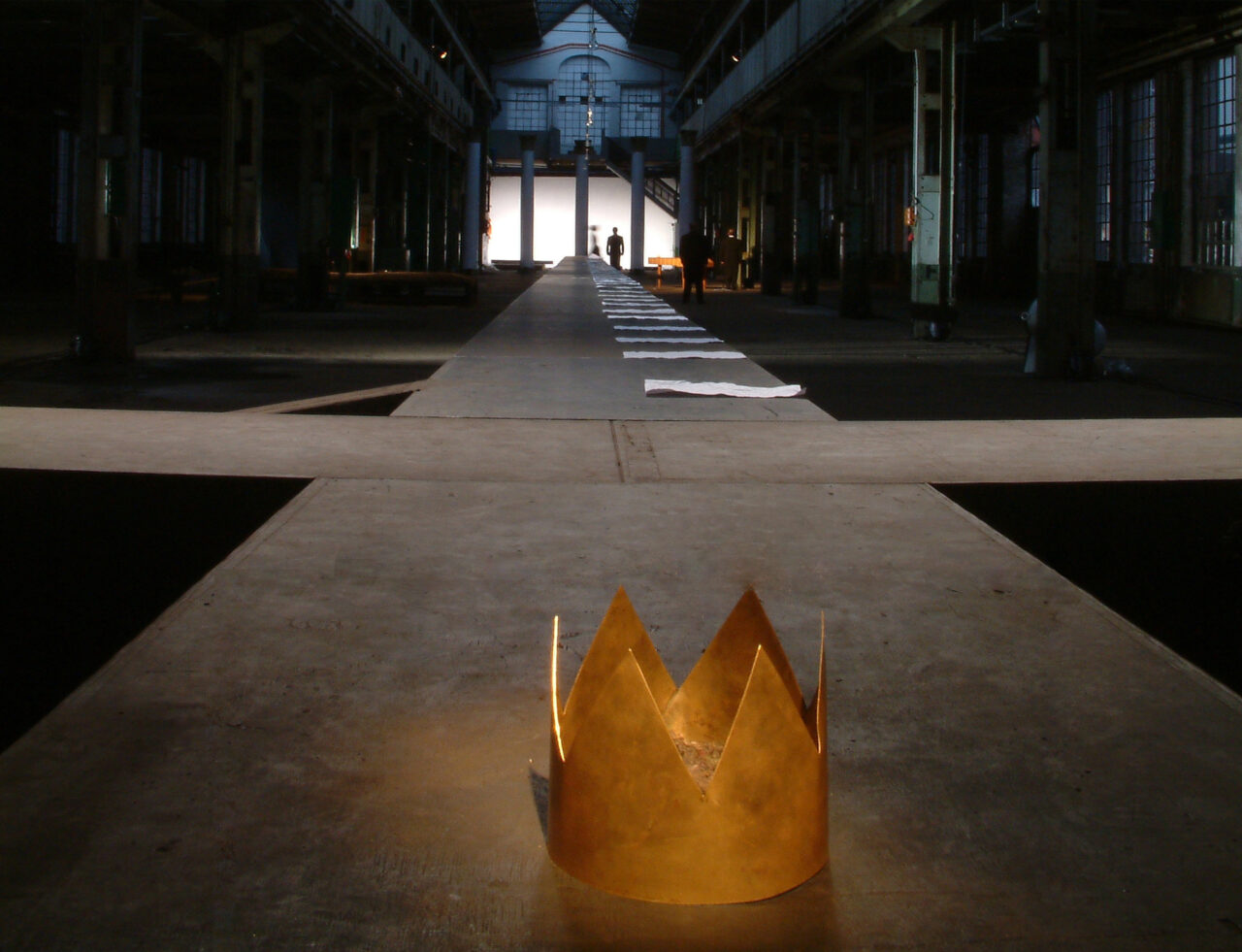
In 1994, Frankfurt's 1200th anniversary celebration brought THEATER WILLY PRAML to the Naxoshalle: rehearsals for GOETHE’S FAUST I & II began in the abandoned industrial cathedral, performed with over 250 citizens in the Paulskirche. The spirit of the place and the shared performance with amateurs, professionals and the audience became an artistic promise that was kept in the years to come.
“Culture for all”
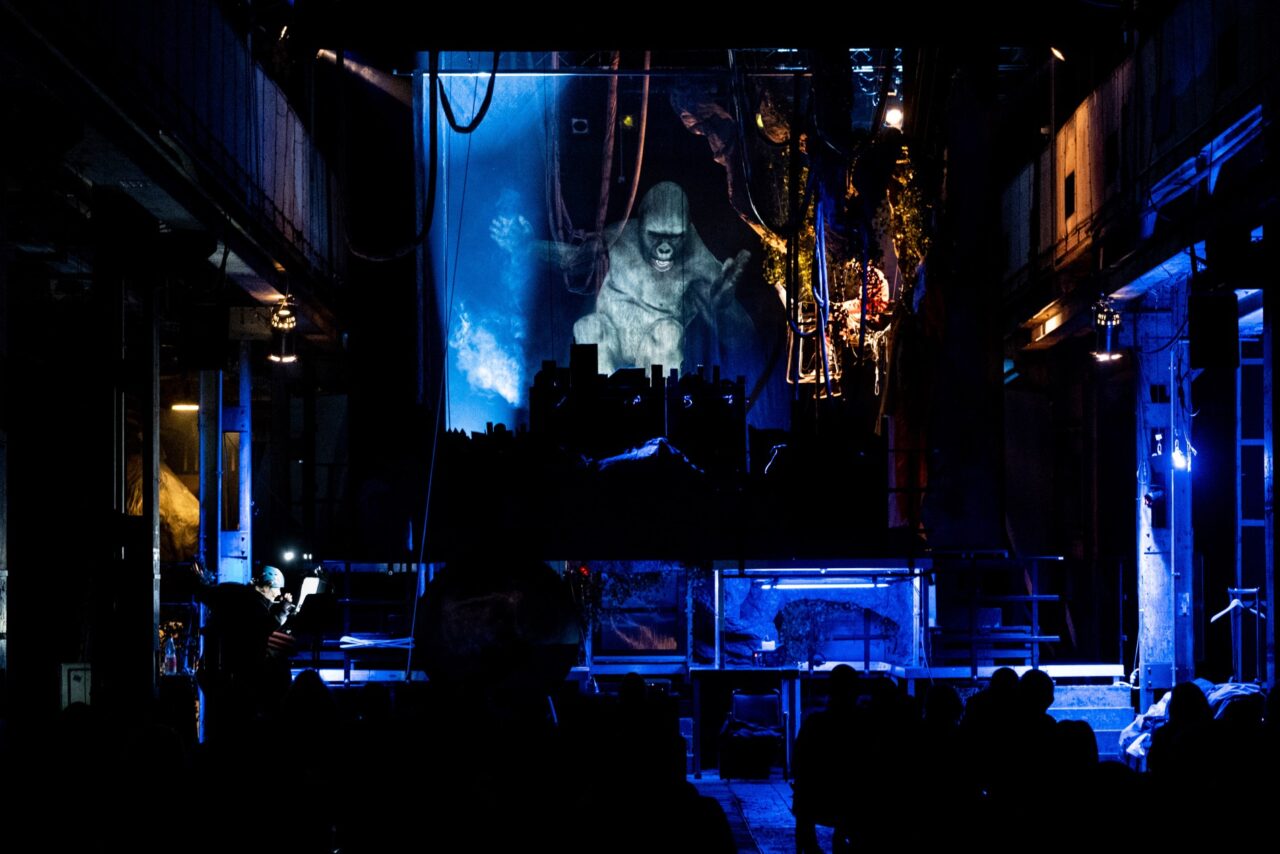
In 2000, THEATER WILLY PRAML moves back into the Naxoshalle: for TARZAN. NO WAY BACK TO THE JUNGLE! (TARZAN. KEIN WEG ZURÜCK IN DEN URWALD!) “On Naxos” becomes a permanent venue with a proper program. A permanent venue for art that wants to be more than just an aesthetic offering.
Without a formal lease, but with growing public support—including from the Mayor Petra Roth—the EU-funded project CONSTRUCTION LODGE NAXOS (BAUHÜTTE NAXOS) begins intensive cultural grassroots work with long-term unemployed young people in 2001.
It has been a common thread running through the program since the beginning and involves people from different backgrounds: young girls for LOLITA by Nabokov in 1997, residents of the GDA retirement home across the street in LOVE LETTERS TO ADOLF HITLER (LIEBESBRIEFE AN ADOLF HITLER) in 2001, former Naxos-Union employees for ARIADNE’S THREAD, ARTHUR’S SISTER MARIE & THE “REAL” NAXOS EMERY (ARIADNES FADEN, ARTHURS SCHWESTER MARIE & DER „ÄCHTE“ NAXOSSCHMIRGEL) in 2007. Kleist's THE EARTHQUAKE IN CHILE in 2016 marks the beginning of theater work with refugees that continues to this day.
“Theater as a public space for reflection”
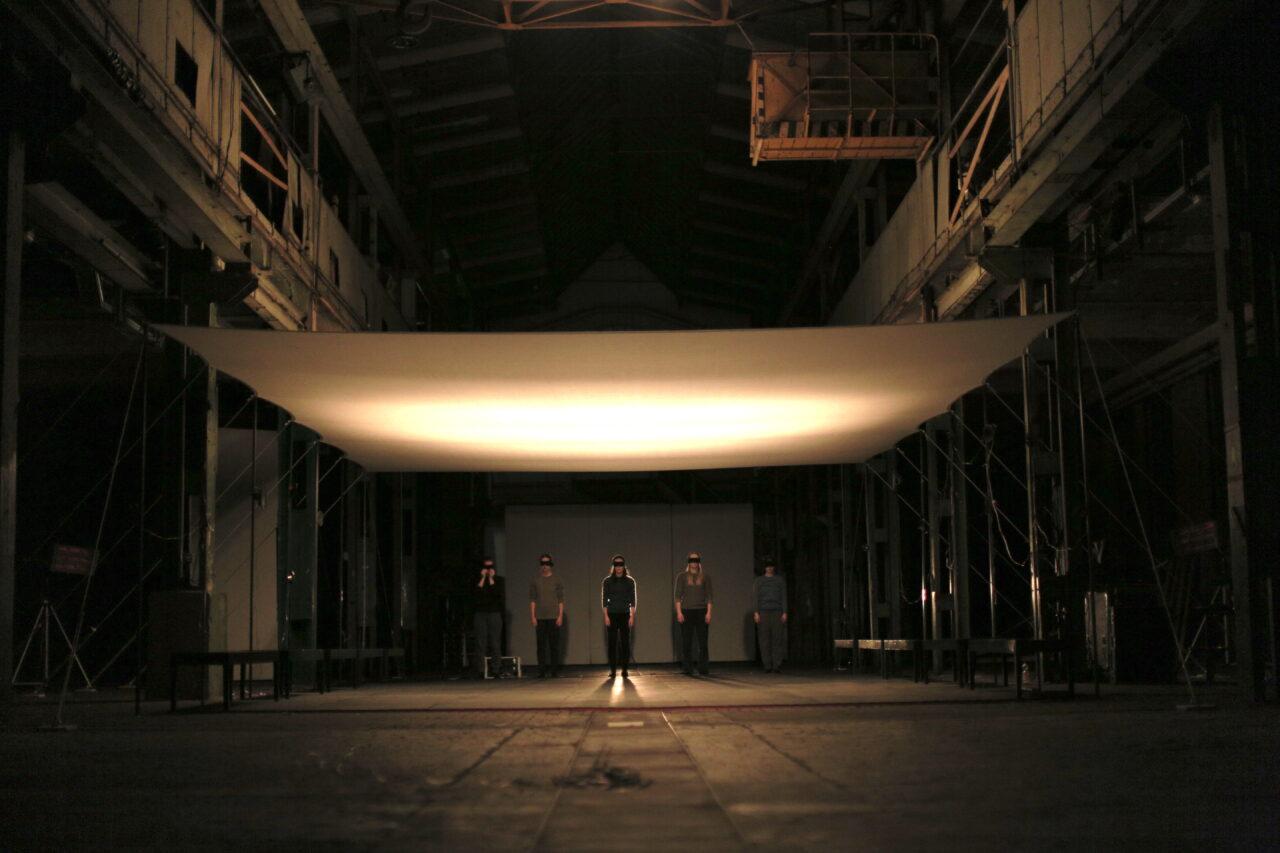
Engaging with local history, collaborating with artists, arts, and amateurs, and experimenting with materials, forms, and language shape the contours of THEATER WILLY PRAML. Wolfgang Schneider calls it “a model for the municipal theater of the future.” Here, production is not blind; rather, it is research, negotiation, and transformation—theater as a public space for reflection. Since 2019, even with a valid lease.
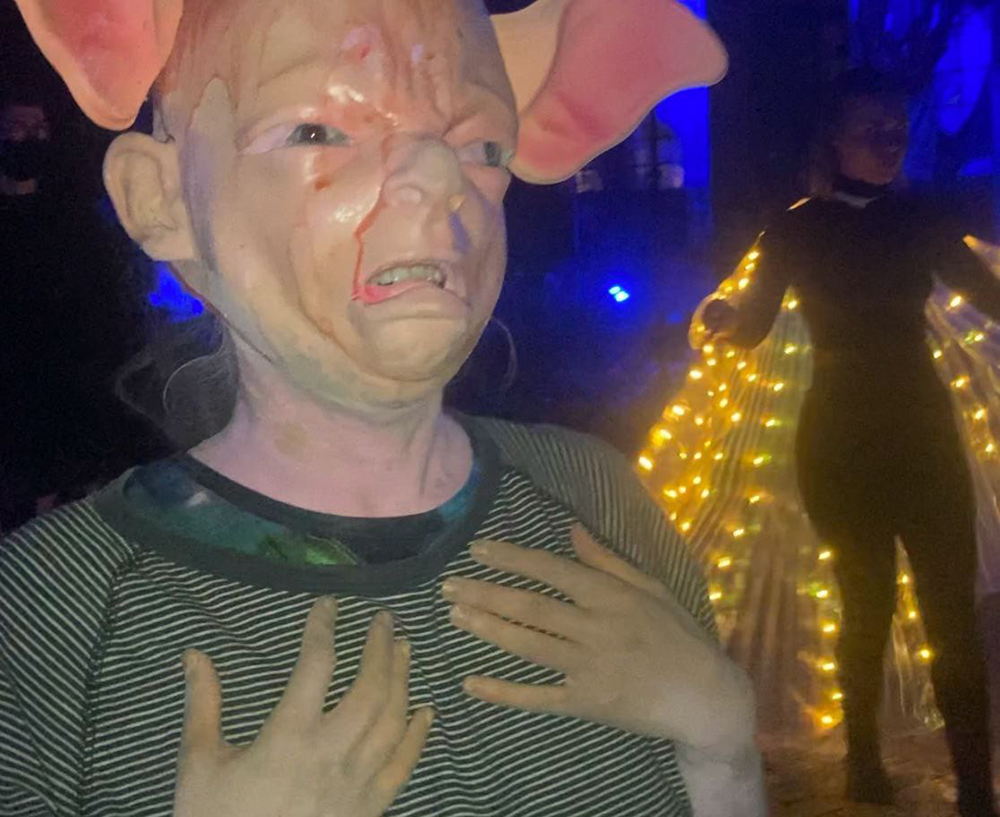
In keeping with its roots, THEATER WILLY PRAML also works outside the Naxoshalle time and again. On the one hand, to confront the audience in places distant from the theater, and on the other to explore themes in their own resonance space. For example, in 2013 with the HEINE-project in Frankfurt city center, between 2015 and 2023 with the festival ON THE SHORES OF POETRY (AN DEN UFERN DER POESIE) in the UNESCO World Heritage Upper Middle Rhine Valley and in 2024 and 2025 with GERMAN FOREST IN AUTUMN (DEUTSCHWALD IM HERBST) in Frankfurt's city forest.
Today, more than 30 years after its founding, THEATER WILLY PRAML continues to unwaveringly live its idea of freedom in theater-making.
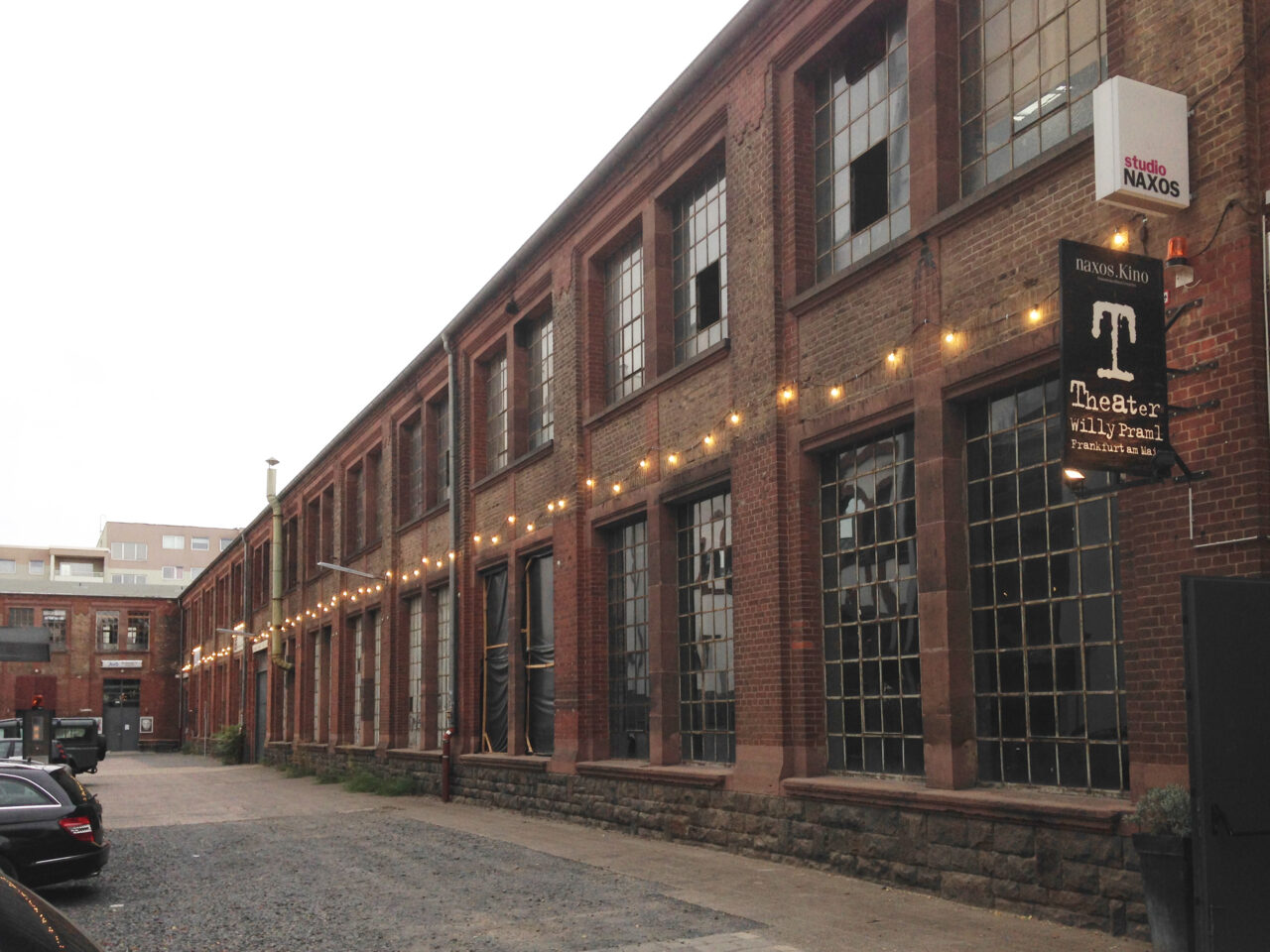
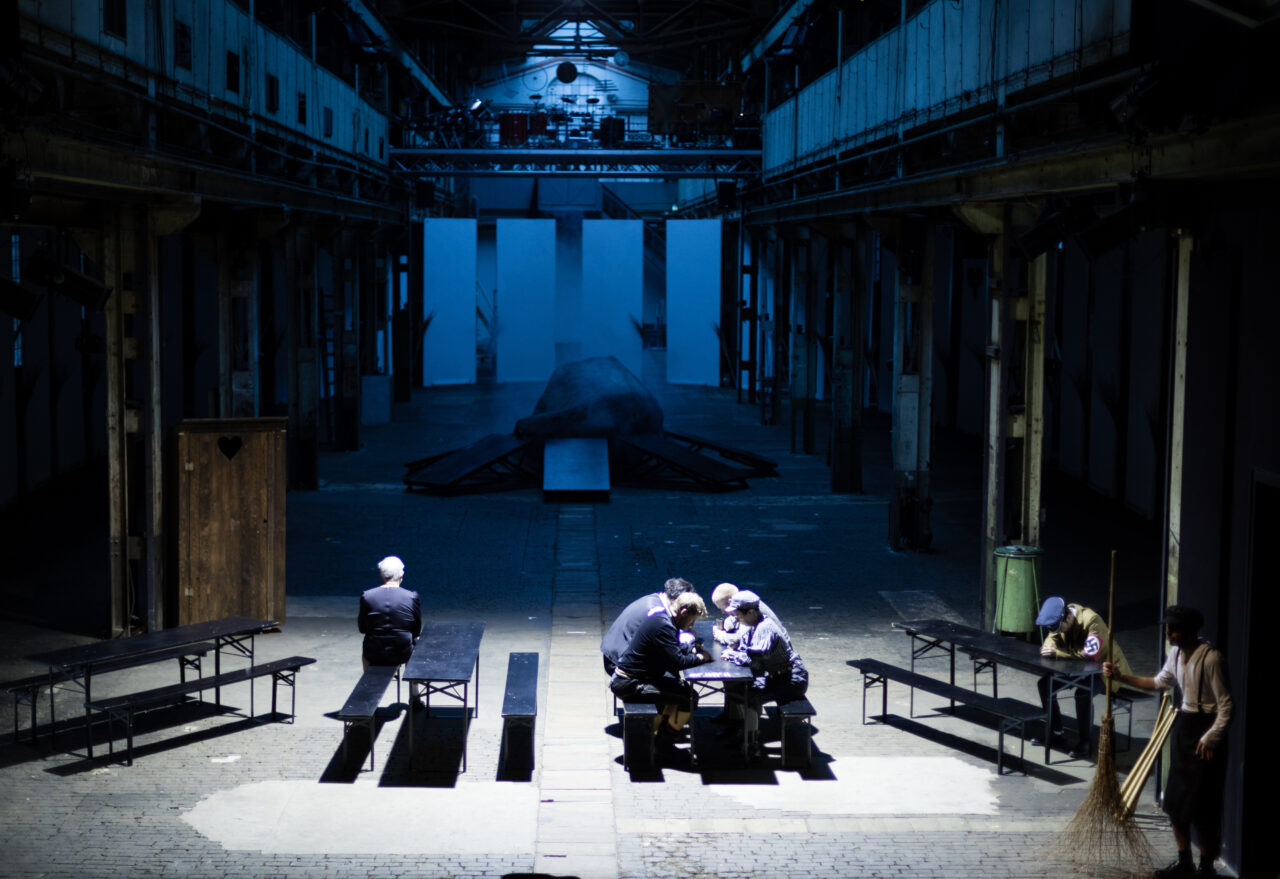
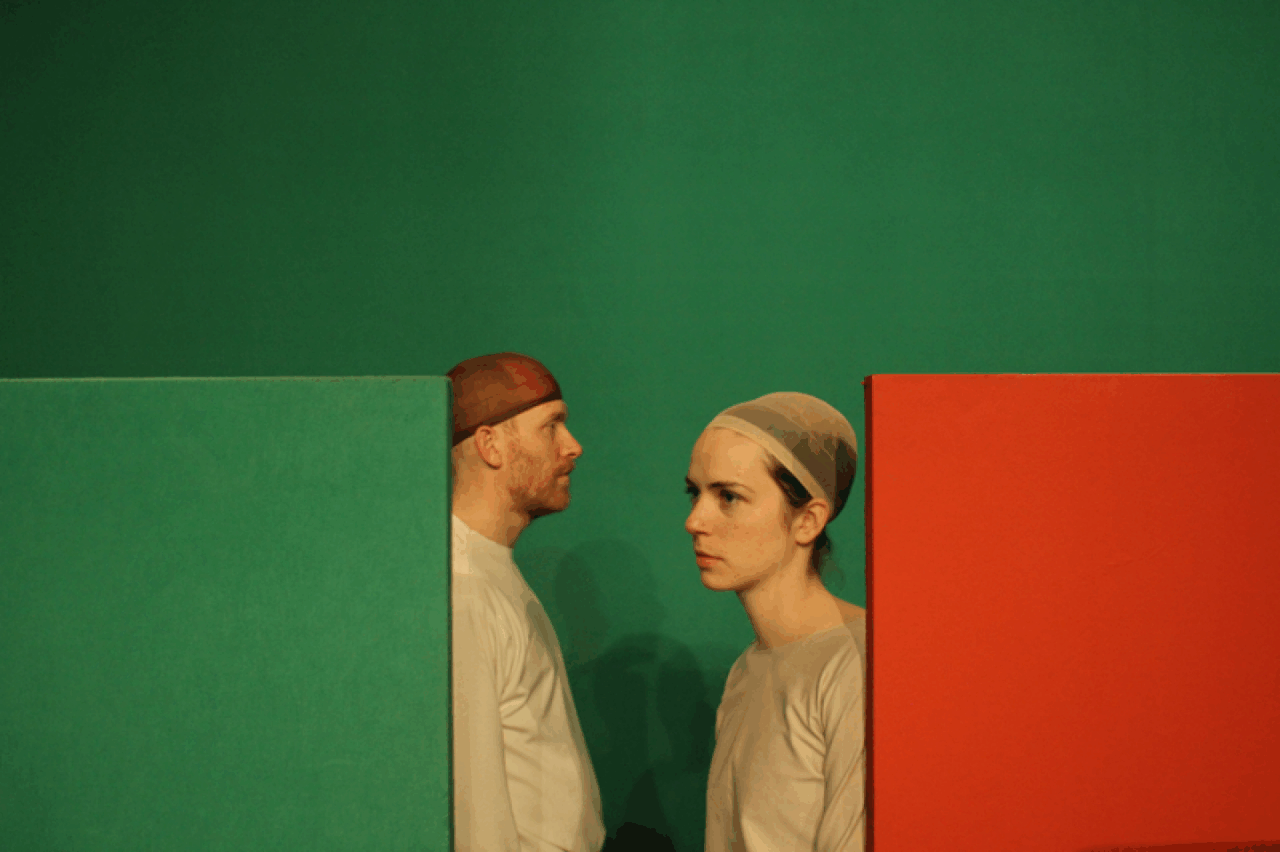
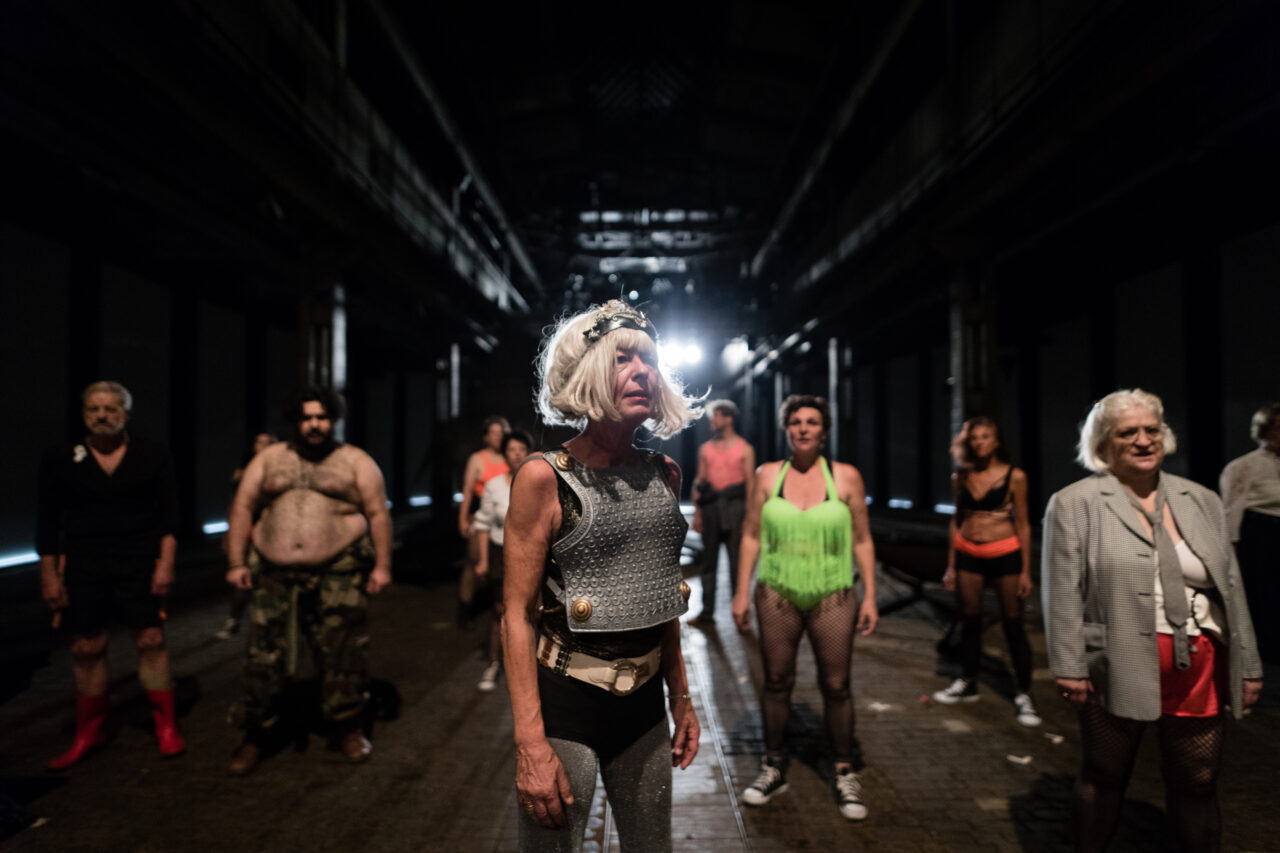
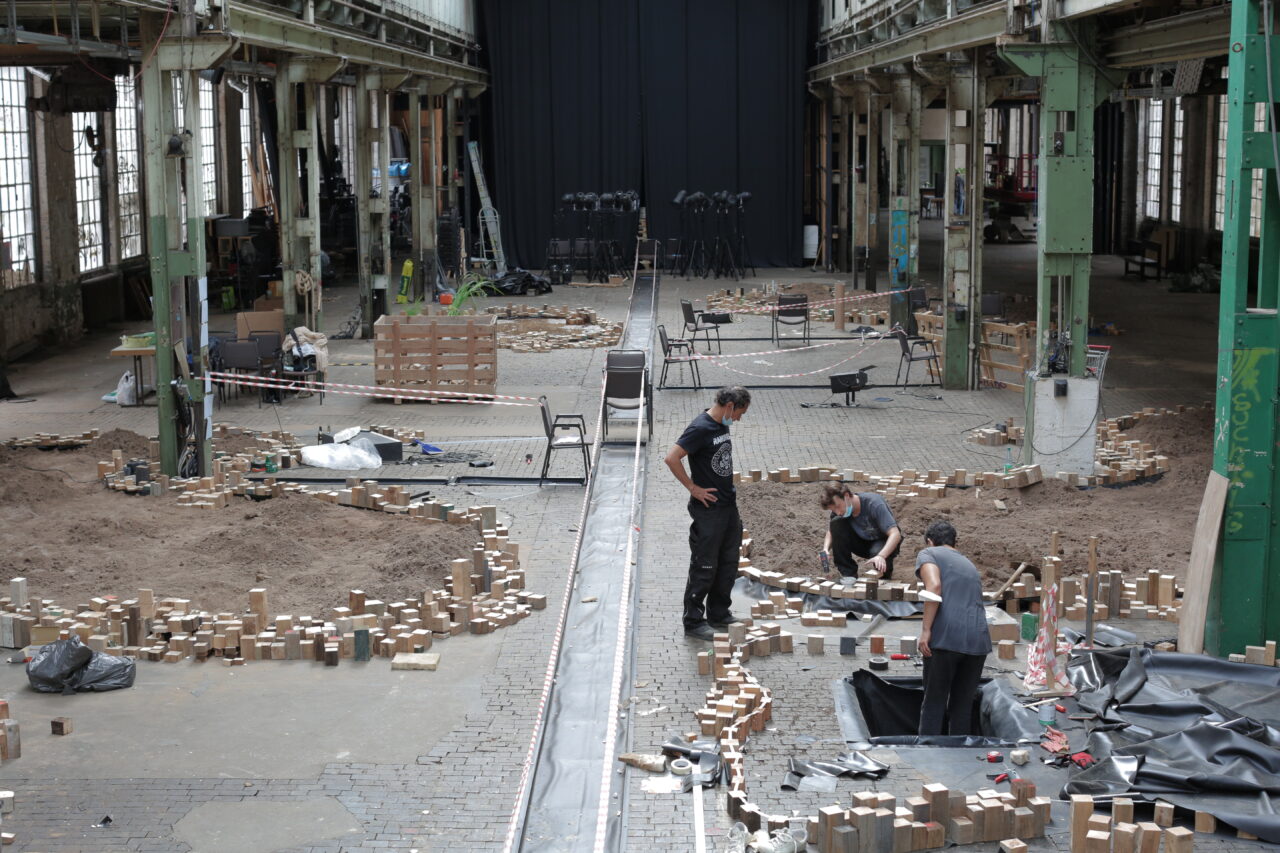
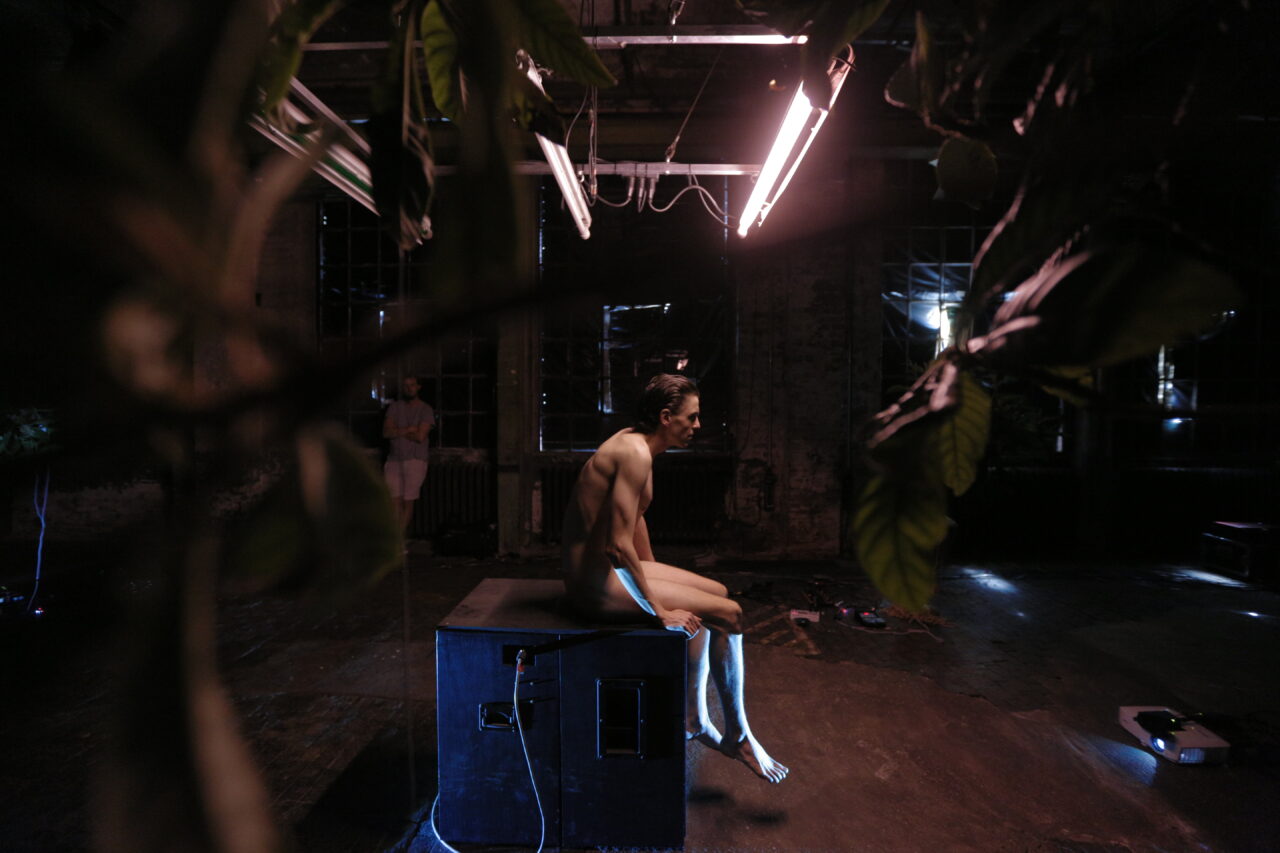
studioNAXOS—From the division of the hall to the opening of Produktionshaus NAXOS
studioNAXOS was founded in 2014 by students of the Hessian Theater Academy (HTA). The initiative emerged as a response to the working conditions for young artists in Frankfurt am Main and Hesse. The founding members included Maylin Habig, Richard Millig, Carolin Millner, Simon Möllendorf, Carolin Rohmer, Daniel Schauf, Philipp Scholtysik, Jan Philipp Stange and Nils Wildegans.
In its early years, studioNAXOS focused on presenting contemporary theater productions, performances, music, installations and choreographies by emerging artists. The program was significantly influenced by the distinctive styles of the participating artists, who regularly developed and performed their works. From the very beginning, different forms of management and decision-making were experimented with—from collective structures through changing management teams and artistic directors to today's program curation by a jury of representatives of the Independent Scene.
studioNAXOS was an associate member of the Hessian Theater Academy (HTA) and a member of the nationwide Network of Independent Theaters (NFT) until its transition to Produktionshaus NAXOS on 01.01.2025. studioNAXOS productions have been invited to numerous renowned festivals, including the Impulse Theater Festival, the Ruhrtriennale, Radical Young (radikal jung), the Fast Forward Festival for young directors, the MADE.festival and the Monologue festival. Guest performances have taken place at Ringlokschuppen Ruhr, Lichthof Theater Hamburg, HELLERAU—European Center for the Arts Dresden, Düsseldorfer Schauspielhaus and TD Berlin, among others.
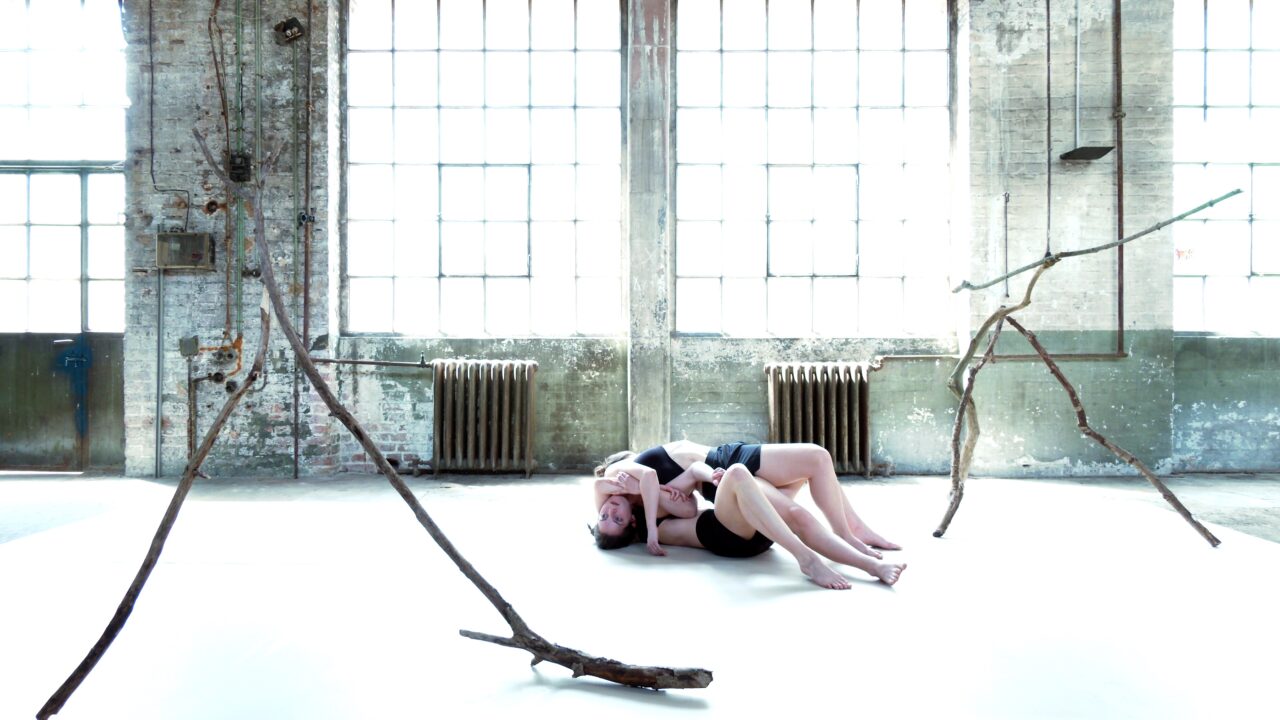
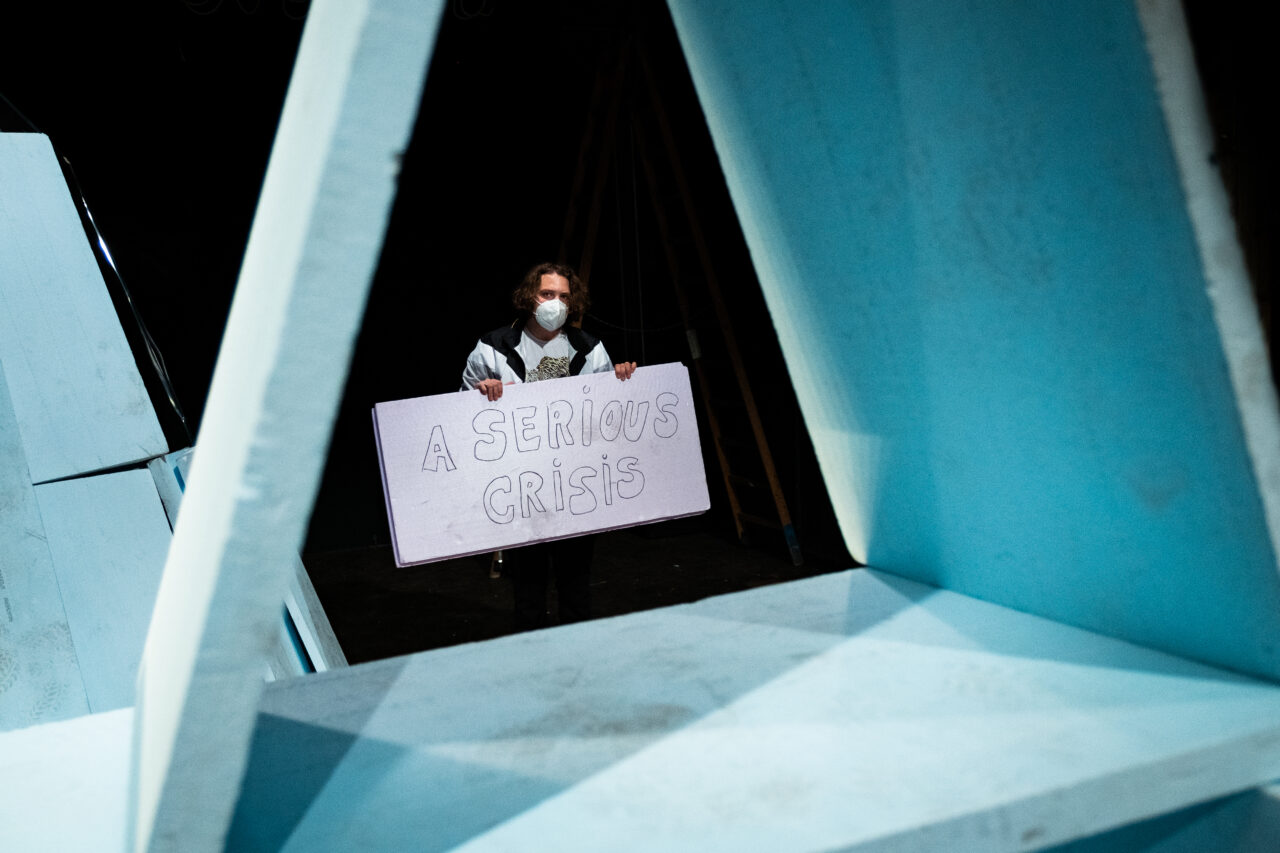
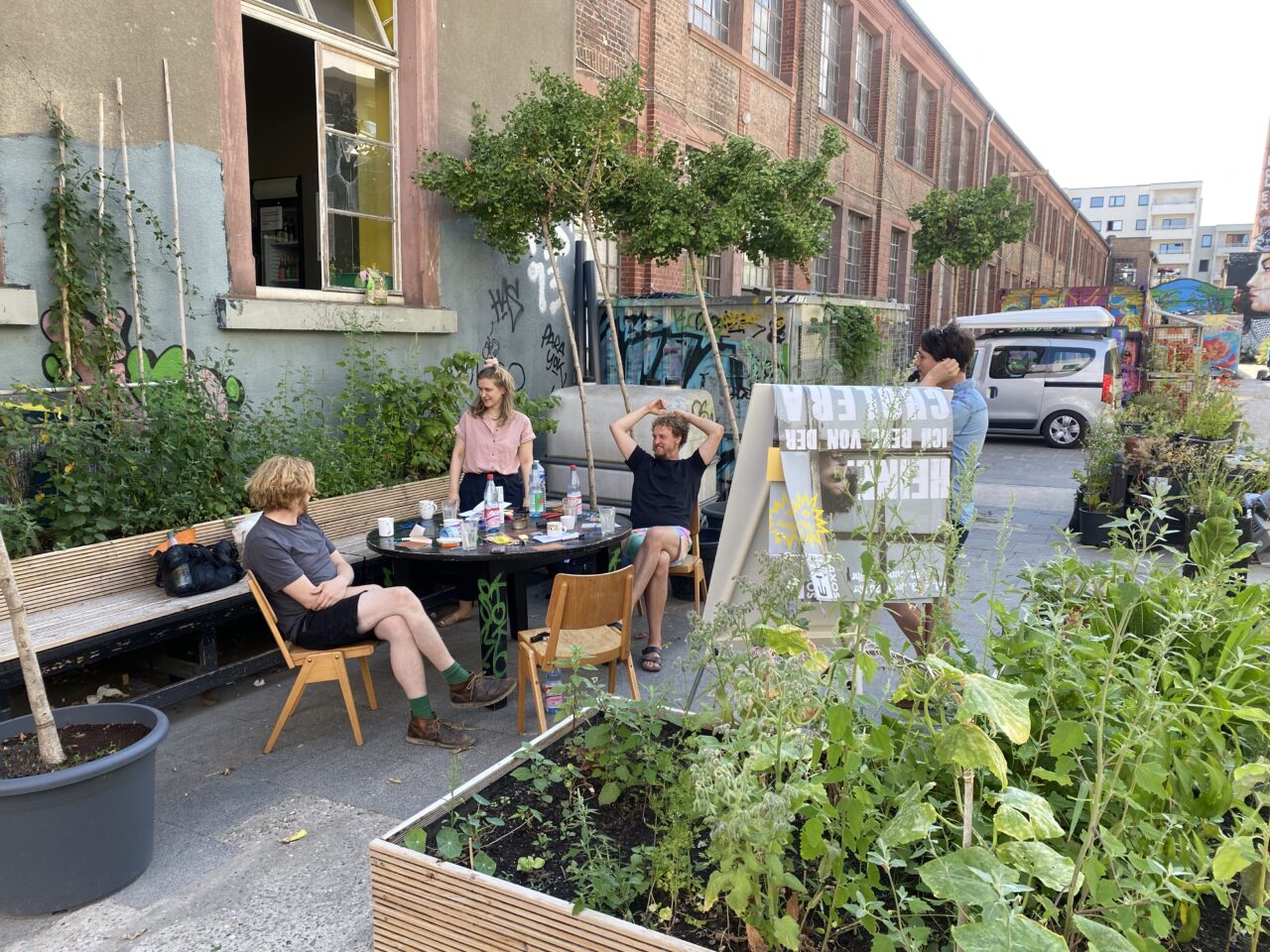
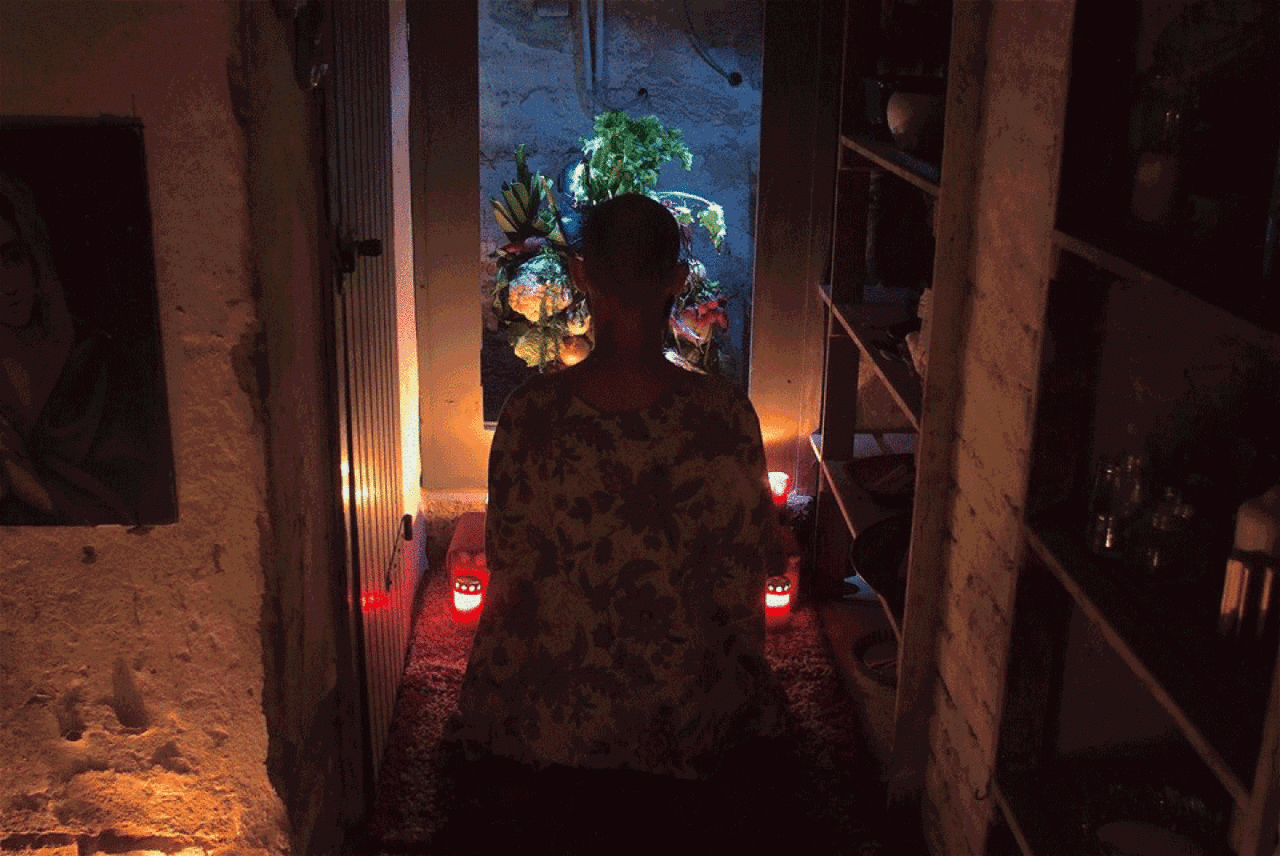
Another central project of studioNAXOS was the NATURE THEATER NAXOS (NATURTHEATER NAXOS), a series of projects that has been running since fall 2020, looking for sustainable ways of theater-making and bringing together avant-gardes from urban planning, architecture and art.
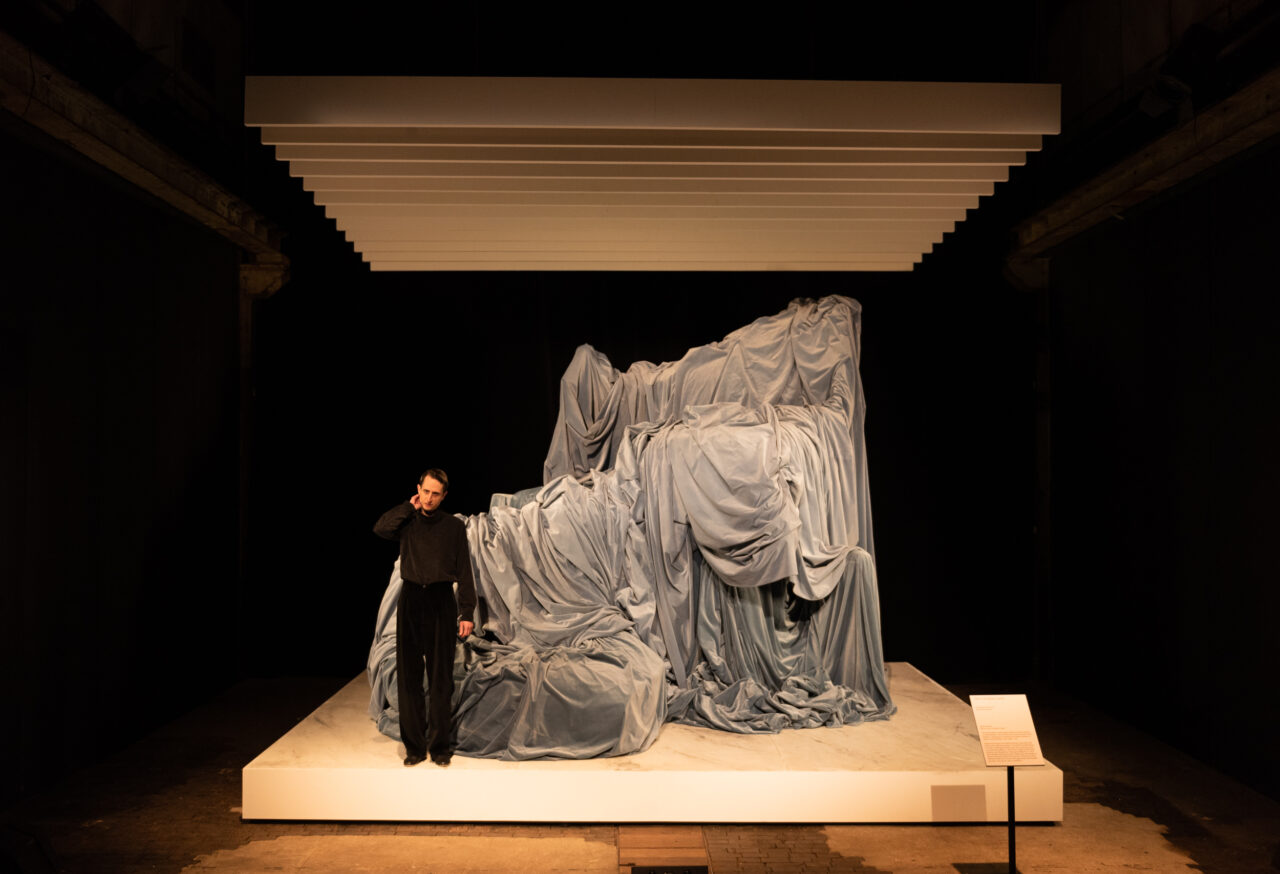
Through its long-standing collaboration with the Frankfurt University of Music and Performing Arts (HfMDK), studioNAXOS enabled students to develop large-scale and experimental works that were included in the venue’s main program.
To date, around 600 artists have presented and developed their work at studioNAXOS.
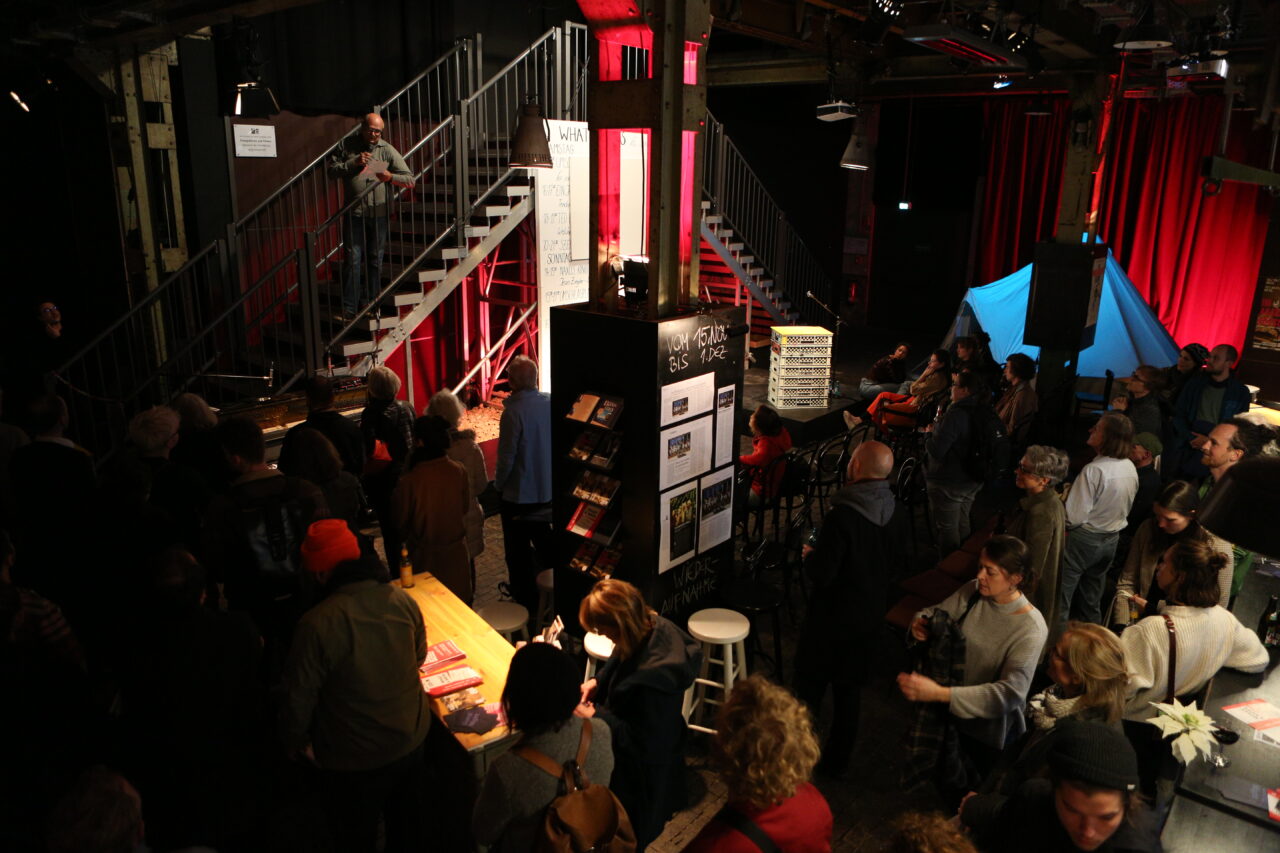
An important milestone in the development of studioNAXOS was the collaboration with Theater Willy Praml during the What a Mess / It's Cum Ex festival in 2019. The interdisciplinary festival focused on the Cum Ex tax scandal and brought together representatives from the arts, culture, politics and business to discuss ruinous economic practices and possible social transformations.
In 2020, studioNAXOS and Theater Willy Praml jointly organized the Theme Week Against Forgetting (Themenwoche gegen das Vergessen), which dealt with the history of the Naxoshalle during National Socialism. To mark the 75th anniversary of the liberation and the 40-year city partnership between Frankfurt am Main and Tel Aviv, plays, exhibitions, symposia, concerts and guided tours were offered.
During the COVID-19 pandemic, the course was set for closer cooperation between studioNAXOS and Theater Willy Praml. In 2020, they jointly founded the NAXOS e.V. association and established the Produktionshaus NAXOS as a joint structure.