The Second Sex – In the Footsteps of Simone de Beauvoir
Events
Simone de Beauvoir’s essay Le deuxième sexe (The Second Sex, 1949) became known as the “Bible” of feminism. The book argues for equal rights, women’s independence and sexual freedom. How does the book influence us today? Important feminist researchers of our time take a critical new look at this groundbreaking work.
In 1949, Simone de Beauvoir’s (1908–1986) essay The Second Sex caused a major scandal. It soon became a worldwide bestseller. For the first time, a female philosopher and writer examined the position of women in a society dominated by men. The book openly discusses motherhood, sexuality and abortion. These topics were shocking to many people at the time. The book is also a strong argument for equal rights, women’s independence and greater freedom in social and sexual matters. But how did Simone de Beauvoir develop the ideas for this groundbreaking book?
In 1947, when she was 39 years old, she travelled through the United States for four months. She observed the lives and attitudes of young American women at universities. She was surprised by how obedient many married women were. During this trip, she also began a love relationship with the Chicago writer Nelson Algren. He introduced her to his country and its society.
Simone de Beauvoir was deeply shocked by racial segregation in the United States. She compared the situation of Black people under white rule with the situation of women under male dominance. However, she did not pay enough attention to the particular situation of Black women, who faced both racism and sexism. Today, basic rights such as women’s right to make decisions about their own bodies are once again being questioned. For this reason, many of de Beauvoir’s ideas seem more relevant than ever. Her famous sentence is: “One is not born, but rather becomes, a woman.” This idea anticipated important questions in today’s research on gender.
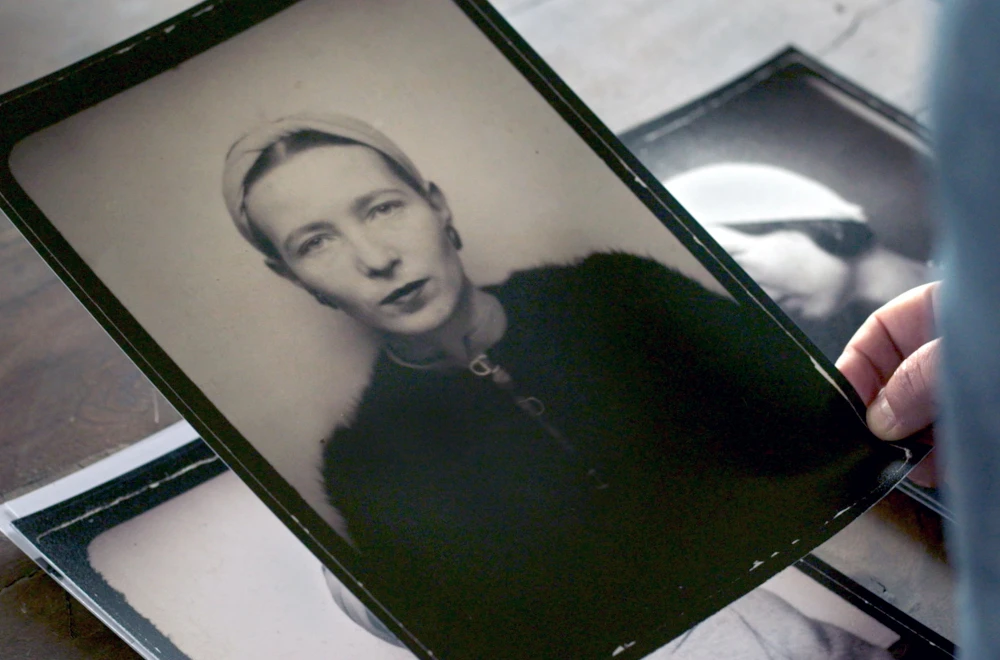
The documentary The Second Sex – In the Footsteps of Simone de Beauvoir takes viewers on a journey to places that inspired the book. Important feminist researchers talk about different places and topics connected to the book. They include Judith Butler, Laure Murat, Silvia Federici, Kellie Carter Jackson, Caitlin Keliiaa and Françoise Vergès. They take a critical new look at The Second Sex. They discuss which ideas are still important today and where the book has its limits. The documentary shows why The Second Sex is still an important work and why it continues to inspire discussion about women, gender and equality.
Film discussion with
Petra Gehring, Professor of Philosophy, TU Darmstadt
Ruth Fühner, naxos.Kino